What Is Japanese Washi Tape? History, Uses & Popular Brands
Japanese washi tape is a beloved stationery item known for its beautiful designs, gentle adhesive, and endless creative uses. While the term “washi tape” is commonly used in Europe and the US, in Japan it’s simply called masking tape (マスキングテープ).
The word washi (和紙) refers to traditional Japanese paper. Although modern washi tape isn’t always made entirely from handmade washi paper, its textures, patterns, and attention to detail are deeply inspired by this centuries-old craft.
If you enjoy journaling, crafting, gift wrapping, or creative decorating, washi tape is one of the most versatile tools you can use.
You may also enjoy: What Is Japanese Paper (Washi)? Uses, History & Cultural Meaning
Where Did Washi Tape Come From?
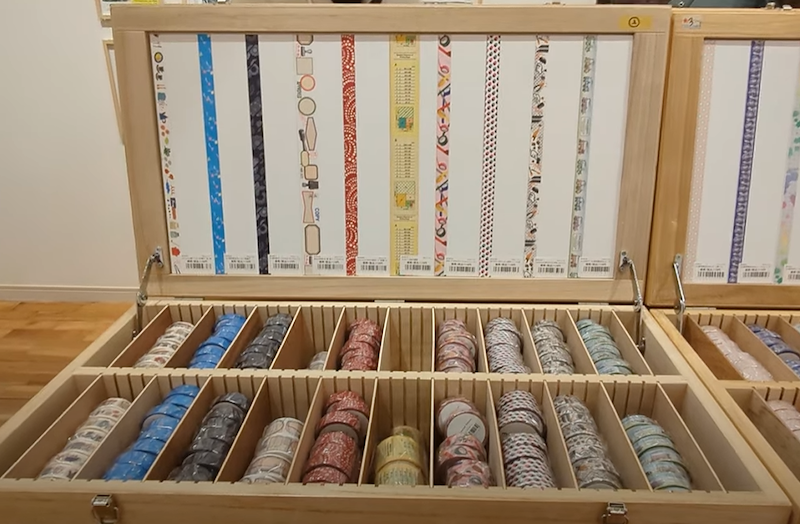
The roots of washi tape lie in traditional Japanese washi paper, which is made from natural plant fibers such as kozo (paper mulberry), mitsumata, and gampi. These fibers give washi its strength, flexibility, and soft matte texture.
The modern washi tape movement began in 2006, thanks to a chance encounter between artists and an industrial tape manufacturer. At the time, Kamoi Kakoshi, a company based in Kurashiki, produced plain masking tape for industrial use. A group of Japanese artists approached the company with a book of artwork they had created using this tape in creative ways.
Impressed by what he saw, the company’s owner agreed to experiment with colors and designs. This led to the launch of mt (masking tape)—the brand that transformed functional masking tape into a creative stationery staple.
Today, washi tape comes in countless colors, patterns, widths, and finishes, with new designs released every season.
Why Is Washi Tape So Popular?
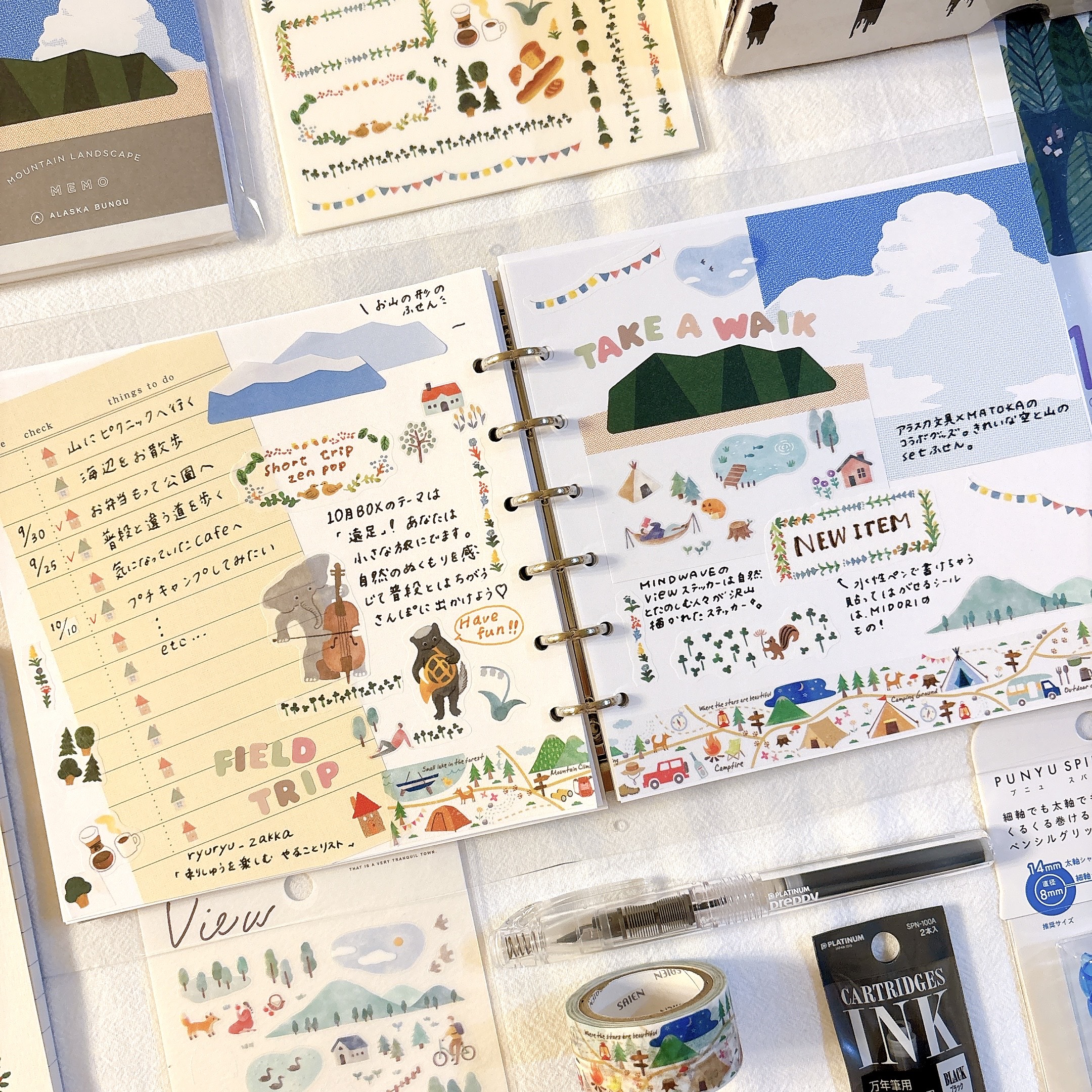
Washi tape stands out because it’s both practical and playful. Unlike many tapes, it’s designed to work with paper, not against it.
Some of its most loved qualities include:
- Low-tack adhesive that removes cleanly
- Repositionable and often reusable
- Easy to tear by hand
- Lightweight and flexible
- Available in endless designs
Because it doesn’t damage paper or leave residue, washi tape invites experimentation. You can try something, change your mind, and adjust—without stress.
How Do People Use Washi Tape?
The beauty of washi tape is that you’re only limited by your imagination. Here are some of the most common ways people use it.
Journaling and Planners
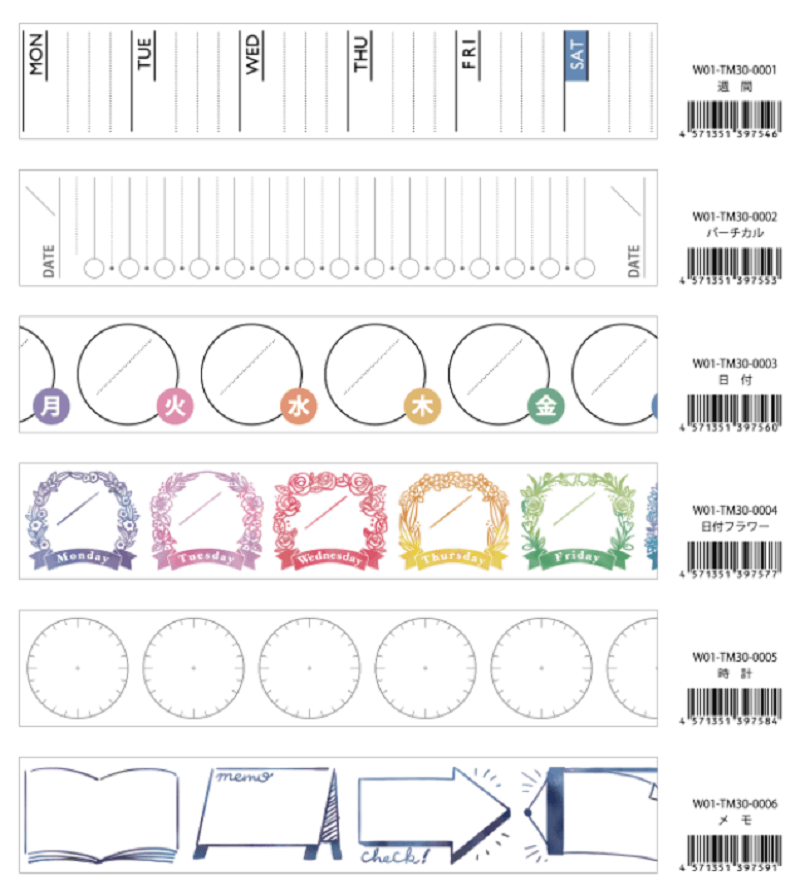
Washi tape is widely used in journals and planners to:
- mark days or sections
- create borders and dividers
- add color without overwhelming the page
Some brands even design tapes specifically sized for planners and notebooks.
Gift Wrapping
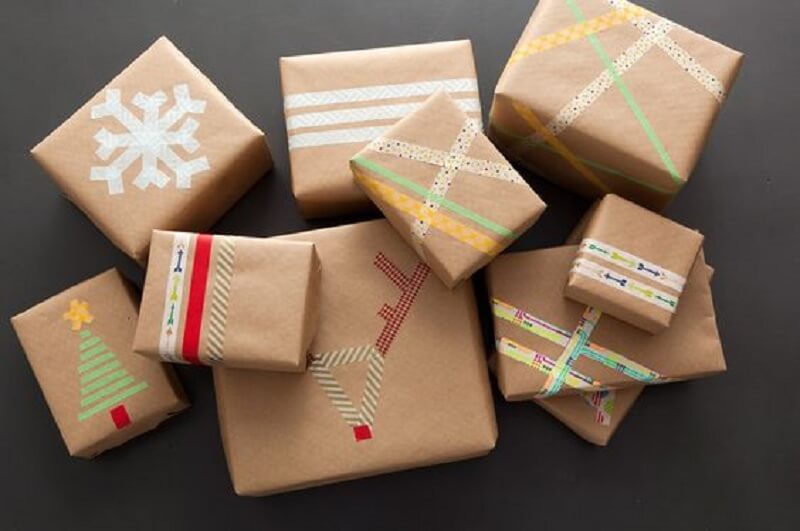
Instead of printed wrapping paper, many people use plain paper and decorate it with washi tape. This makes it easy to create custom patterns, highlight edges, or add a small decorative touch without committing to a full design.
Art and Illustration
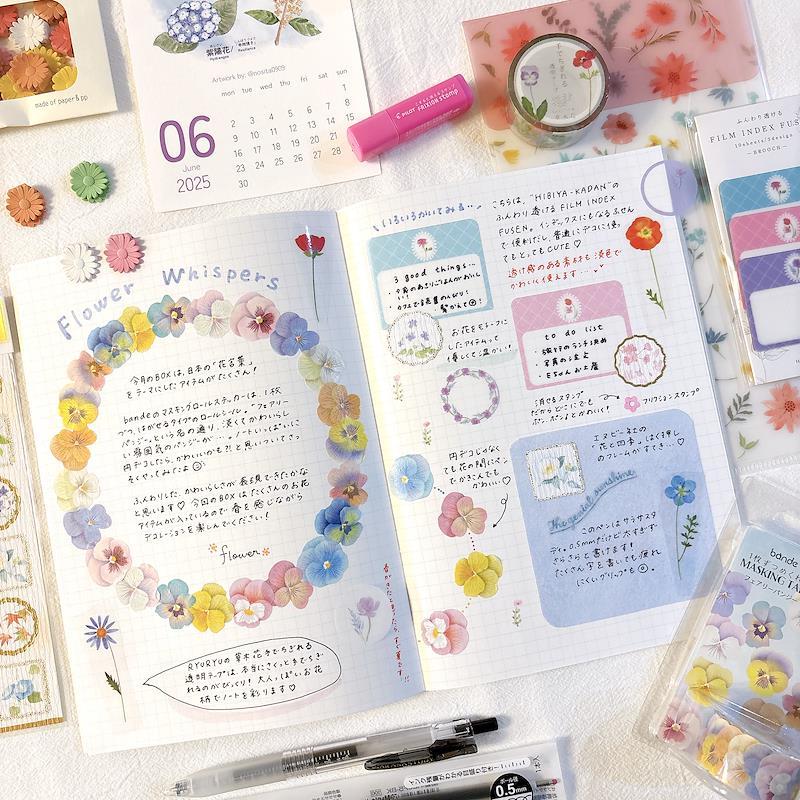
Artists often use washi tape to:
- mask areas while painting
- create clean borders
- build patterned backgrounds
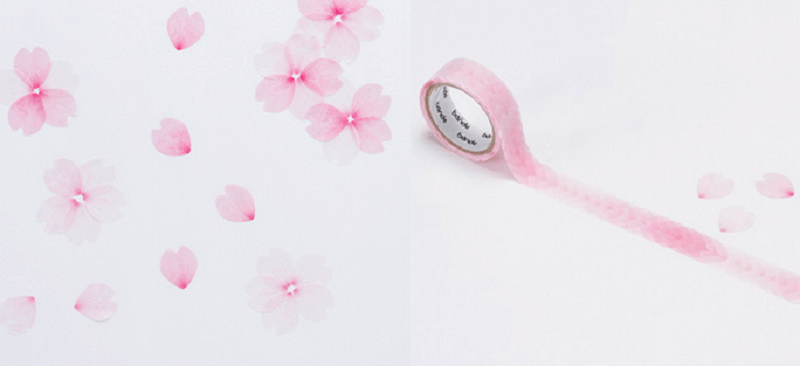
Some tapes are designed with repeating motifs or cut-out shapes, making them especially useful for decorative artwork.
You may also be interested in: Washi Tape Ideas from Japan: Art, DIY & Creative Inspiration or 20 Creative Washi Tape Art Ideas
Home and Desk Decoration
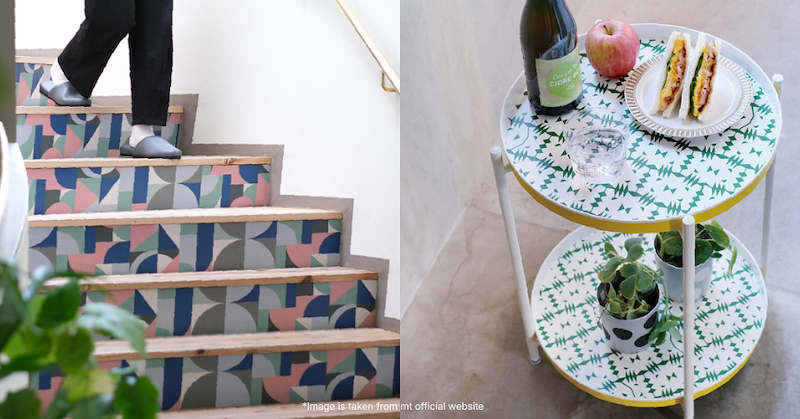
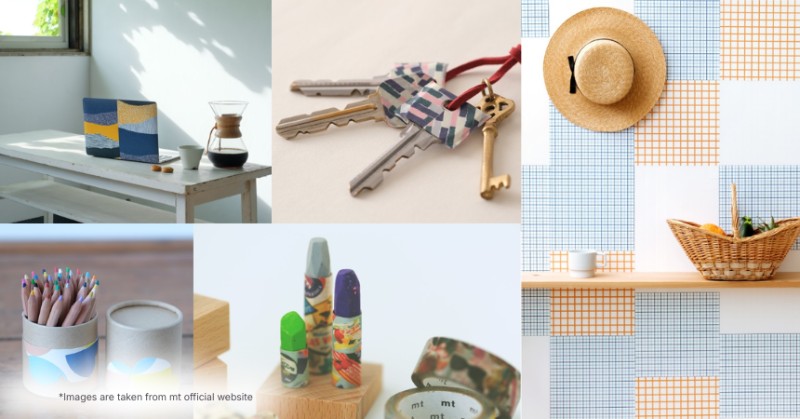
Because it removes cleanly, washi tape is popular for:
-
temporary wall decor
-
labeling containers
-
decorating notebooks, desks, or storage
It’s especially useful for renters or anyone who wants to decorate without leaving marks behind.
You may also enjoy: How to decorate your furniture with Washi Tape? (15 ideas)
Popular Japanese Washi Tape Brands
mt (masking tape) by Kamoi Kakoshi
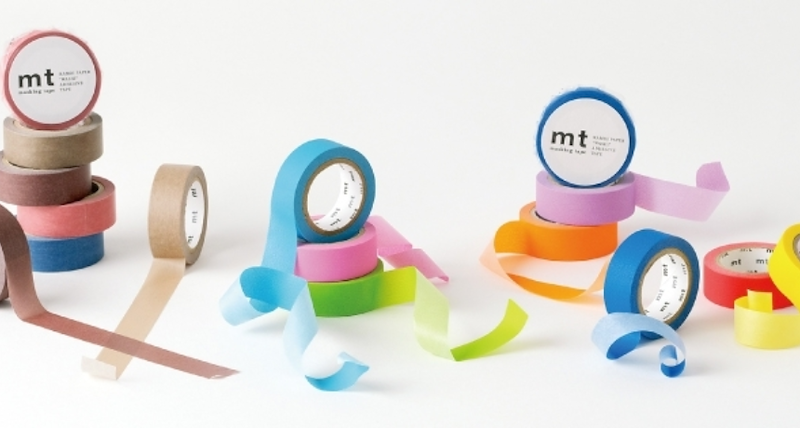
The original washi tape brand. mt offers an enormous range of solid colors, patterns, and seasonal designs in multiple sizes. Their tape is known for consistent quality and clean removal.
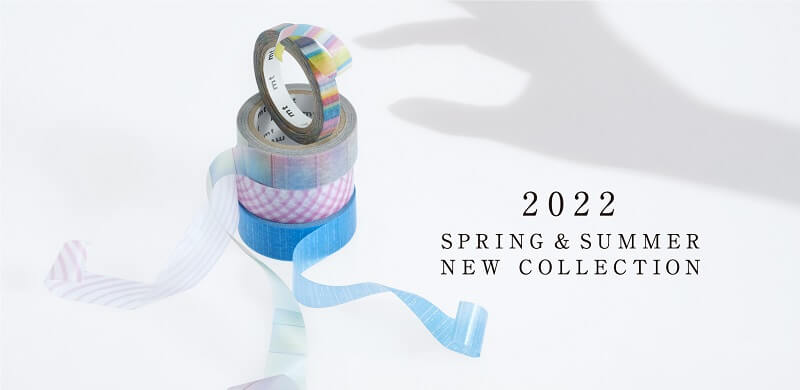
The birthplace of what we know today as Washi Tape, MT washi tapes originated with simple block color designs at their factory in Kurashiki. They have a huge selection of solid color designs, patterned designs, and seasonal designs, all coming in a variety of sizes for your needs. The tape is top quality and is ideal for all kinds of situations, including bullet journalling or gift wrapping.
Every so often, MT allows tours at their factory, so that you can see the process of making the washi tape. However, these tickets are given out only by lottery in the early spring and summer, so you have to be pretty lucky to be able to get a tour.
Amifa
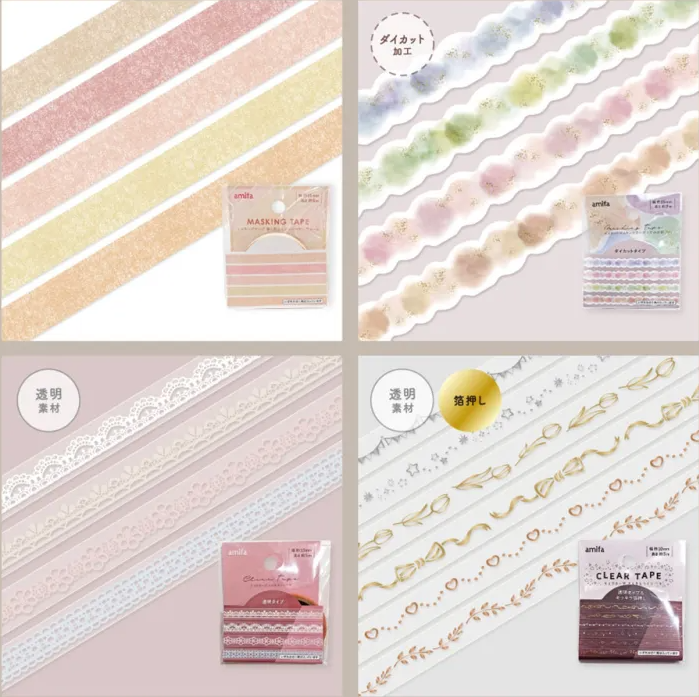
Often sold through 100-yen shops in Japan, Amifa tapes are affordable and seasonal, making them great for casual crafting and experimentation.
MIND WAVE
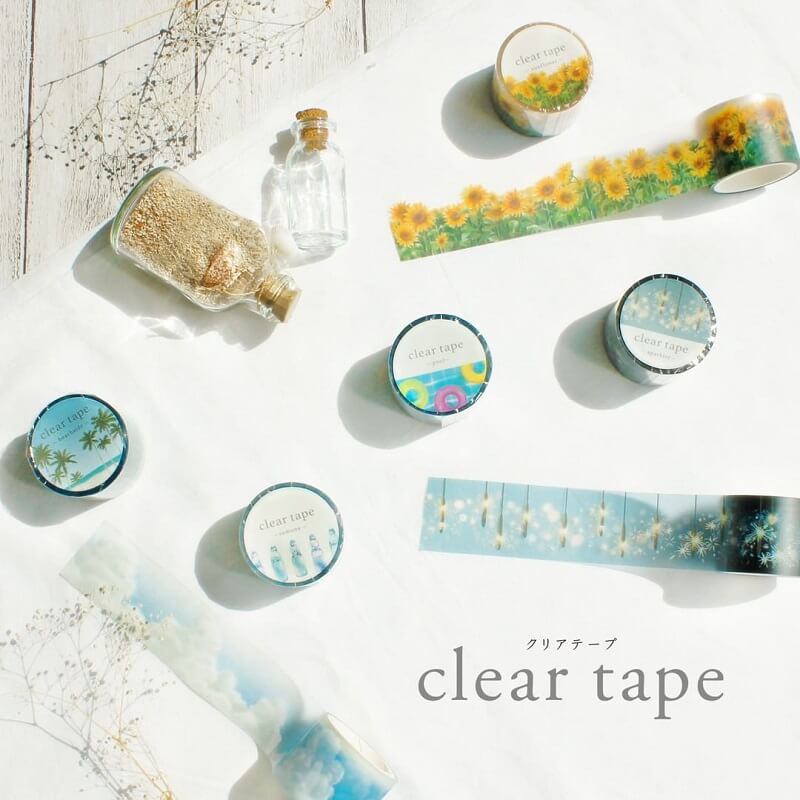
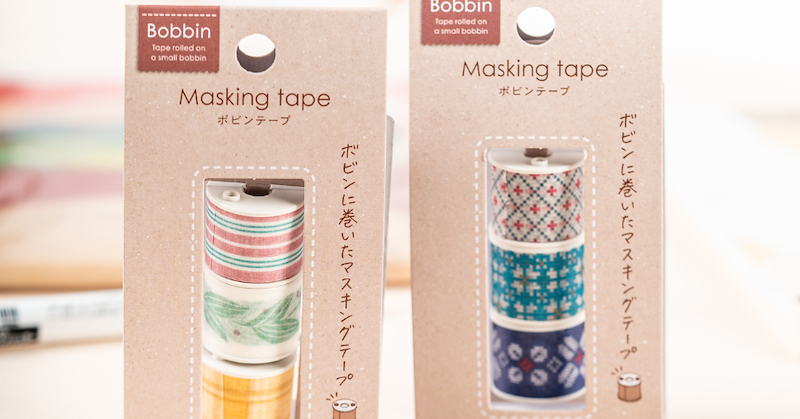
MIND WAVE produces washi tapes with unique illustrations and themes, many designed specifically for journaling, letter writing, and decorative borders.
KITTA (by King Jim)
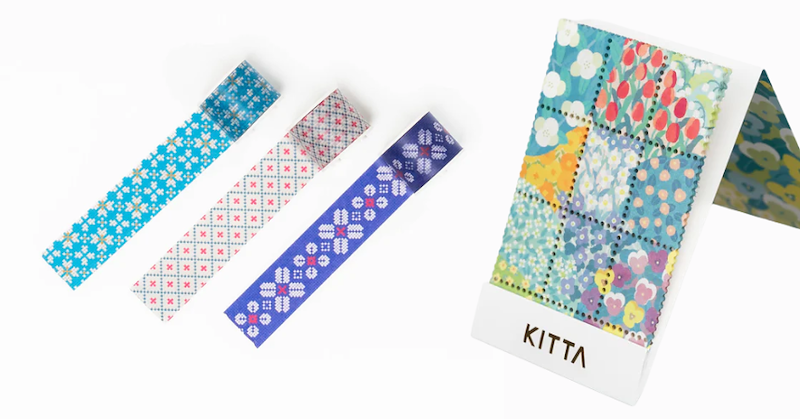
KITTA tapes come in compact, pre-cut strips rather than traditional rolls. They’re designed to be portable—perfect for journaling on the go.
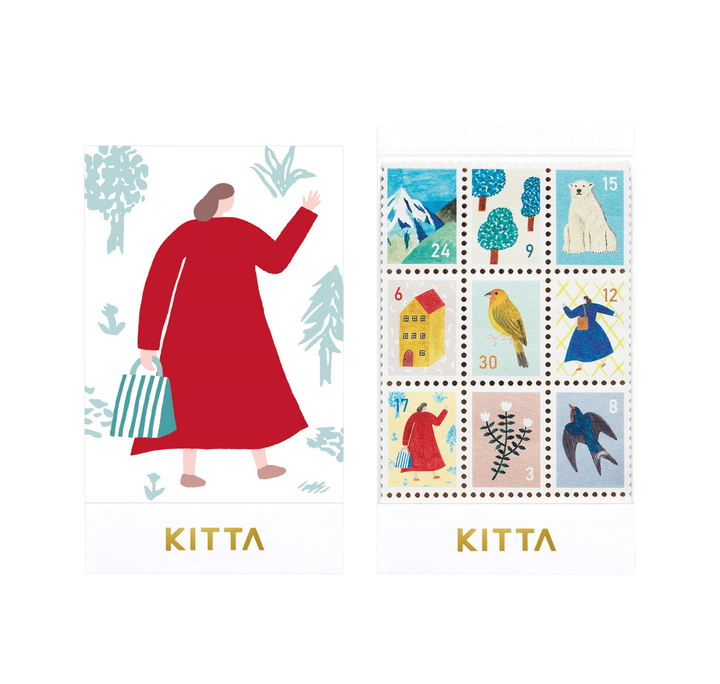
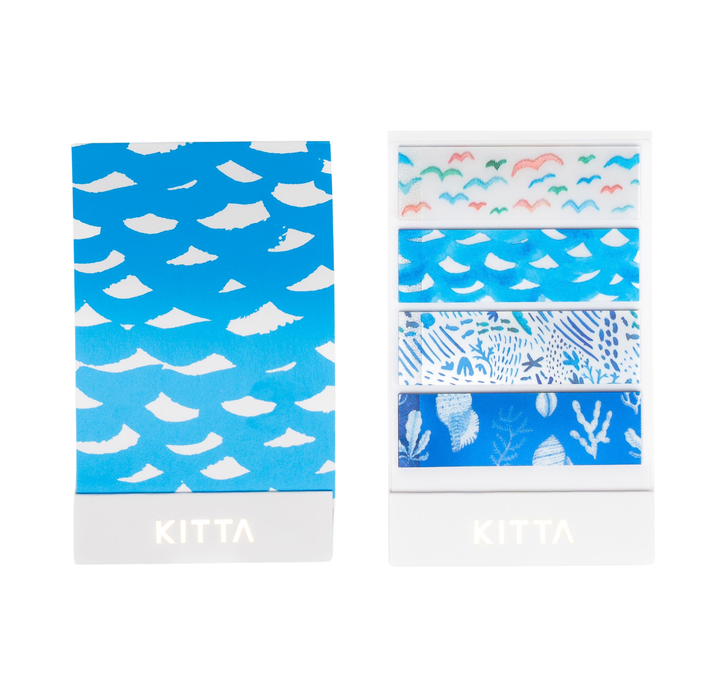
If you’re just starting out, building a washi tape collection can feel a little overwhelming—there are so many designs, sizes, and brands to choose from. If you’d like some gentle guidance, we’ve put together an Ultimate Guide: 7 Tips to Start Your Washi Tape Collection, covering how to choose versatile designs, store your tapes, and avoid common beginner mistakes.
Is Washi Tape the Same as Masking Tape?
While they share a common origin, washi tape and masking tape are not quite the same—especially outside Japan.
Washi tape is designed for creative, paper-based use, while masking tape (or painter’s tape) is made for construction, painting, and DIY projects.
If you’re curious about the differences in material, adhesive, durability, and residue, you can read our detailed comparison here: What Is the Difference Between Washi Tape and Masking Tape?
Is Washi Tape Eco-Friendly?
Washi tape is generally considered more eco-friendly than plastic tape because it’s paper-based and often uses natural rubber adhesive. Many types are biodegradable and reusable, though recyclability can depend on local recycling rules.
For a deeper look at sustainability, composting, and recycling, see: Is Washi Tape Recyclable? Eco-Friendly & Compostable Explained
What will you decorate next?
Washi tape may look like a small stationery item, but it reflects something larger about Japanese design—care, flexibility, and respect for everyday creativity. Whether you’re journaling, wrapping a gift, or experimenting with art, it’s a tool that encourages play without pressure.
If you’re curious to explore different patterns and brands, you can browse a curated selection of Japanese washi tapes in our stationery store. From classic designs to seasonal favorites, there’s always something new to discover.