What Is Japanese Paper (Washi)? Uses, History & Cultural Meaning
What Is Japanese Paper (Washi) Used For?
Japan is home to many long-standing traditions that are still practiced today, and washi (和紙)—traditional Japanese paper—is one of them. Unlike mass-produced paper, washi is made using natural fibers and time-honored techniques, giving it a unique texture, strength, and beauty.
Washi was once used in almost every part of daily life in Japan. While fewer papers are now made entirely by hand, washi remains an important cultural material, valued for both practical and artistic purposes. Let’s explore the history of Japanese paper, how it’s made, and what it’s used for today.
A Brief History of Japanese Paper
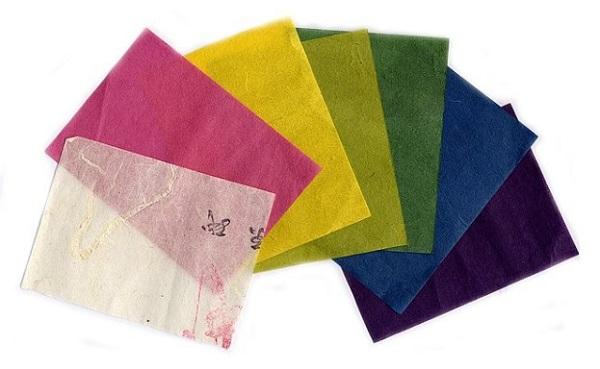
Japan once experienced a long period of national isolation known as sakoku, which lasted for over 260 years. During this time, trade with other countries was extremely limited, so people relied on locally available materials. This led to the development and refinement of washi, Japanese paper made primarily from plant fibers such as kozo (mulberry).
Kozo was originally used for textiles, which is why washi paper is stronger and more absorbent than most modern machine-made paper. Historically, washi was used for writing, calligraphy, artwork, lamps, and architectural elements like doors and screens.
In the early 1900s, as Western influence grew, machine-made paper became the standard for everyday writing. Washi use declined and became more specialized, reserved for crafts, art, and items where material quality truly mattered.
Even today, some washi makers continue to follow traditional methods passed down through generations. In certain regions, papermaking begins only after craftsmen visit Kawakami Gozen, the Shinto deity of paper, to pay their respects. These rituals reflect how deeply washi is woven into Japanese culture.
How Is Washi Made?
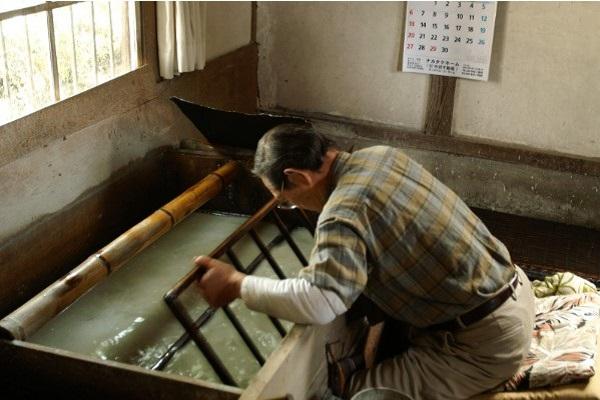
Traditional washi production still exists in parts of Japan, such as Ogawa Town, a region known for its papermaking heritage. Visitors can even experience washi making firsthand through workshops.
The process begins with harvesting plants like mulberry or paper bush. The inner bark is carefully extracted, as this is the part used to make paper. The bark is steamed, stripped, cleaned, and then beaten by hand until it separates into soft fibers—a process that can take several hours.
These fibers are mixed with water and a natural binding agent, then scooped using a wooden frame. Once formed, the sheets are dried and become the beautiful washi paper we recognize today. Each step requires patience and skill, which is why handmade washi is so highly valued.
What Is Washi Used For?
Calligraphy
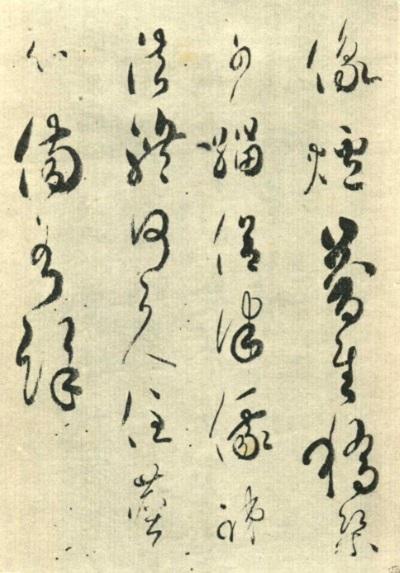
Washi is widely considered one of the best papers for Japanese calligraphy. Its fibers interact beautifully with sumi ink, allowing smooth brush strokes and expressive lines. Because of its durability, calligraphy written on washi can last for generations.
Shoji Screens

Traditional Japanese sliding doors and room dividers, known as shoji, are made using washi paper stretched over wooden frames. As washi dries, it tightens slightly, creating a smooth surface.
Washi’s soft translucency allows light to pass through while still offering privacy, making it ideal for interior spaces. Shoji screens are still used today, even in modern architecture, and can be customized with artwork or patterns.
Origami and Paper Folding
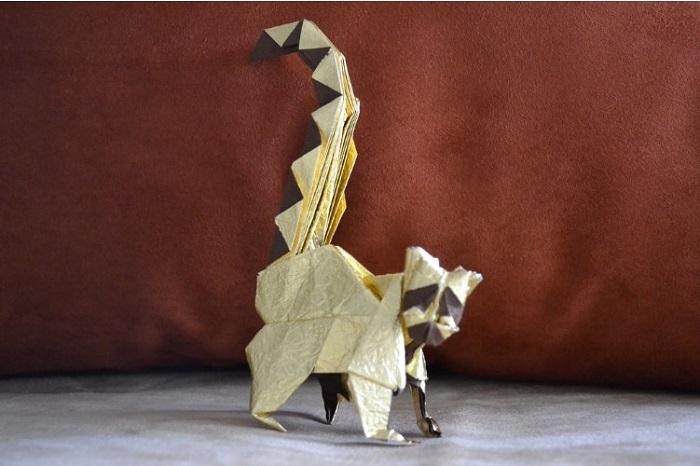
Origami, the art of paper folding, is enjoyed worldwide by both children and adults. Washi is an excellent choice for origami because it is thin, strong, and holds creases well. Its texture and wide variety of colors and patterns add character to folded pieces, which also tend to last longer thanks to washi’s durability.
Art and Illustration
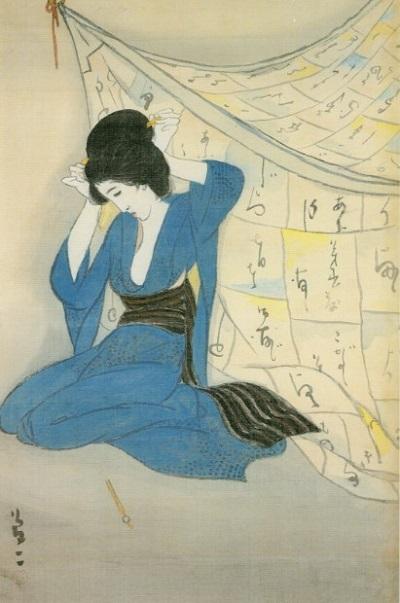
Many traditional Japanese art forms rely on washi paper because of how it absorbs and reacts to ink. The natural fibers, grain, and texture give artwork a softness and depth that is difficult to replicate with modern paper. Even today, some artists continue to choose washi for its expressive qualities.
Washi Tape
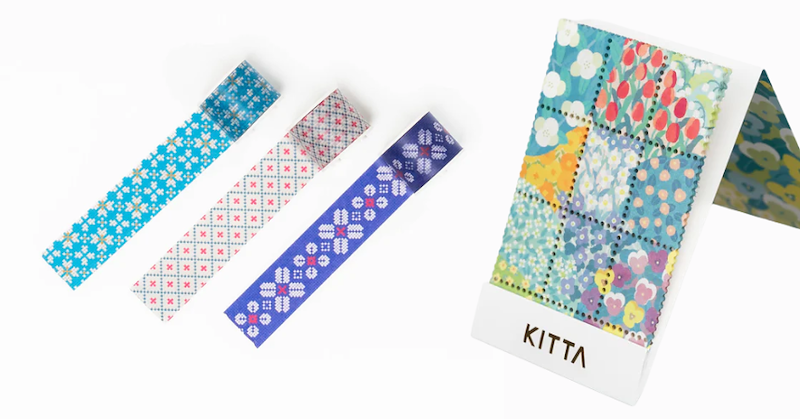
One of the most familiar modern uses of washi is washi tape—a decorative masking tape used for crafts, journaling, gift wrapping, and home decoration. While it’s a contemporary invention, it’s inspired by the qualities of traditional washi paper: lightweight, flexible, and easy to work with.
If you are interested to learn more about washi tape, you may read our complete guide on What Is Washi Tape.

Washi in Japan Today
Like many paper traditions around the world, washi faces challenges in the modern age. Fewer artisans produce it, tools are expensive, and younger generations don’t always continue the craft.
Even so, dedicated papermakers remain committed to preserving washi. Through cultural recognition, workshops, and global interest, Japanese paper continues to survive as both a functional material and an art form.
Japanese paper, or washi, is more than just paper—it’s a reflection of care, patience, and tradition. Whether used for calligraphy, architecture, origami, or everyday creativity, washi continues to play a quiet but meaningful role in Japanese culture.
This article was originally written by our freelance writer Umm-Kulthum Abdulkareem, and edited by us.