Best Japanese Calligraphy Pens (Guide for Beginners & Artists)
In the world of fine handwriting, Japanese calligraphy stands out as an epitome of beauty, precision, and quiet sophistication. Traditionally, calligraphy masters used long-handled brushes to create stunning works of art. Today, modern calligraphy pens allow artists, hobbyists, and beginners to enjoy this expressive craft with much more convenience.
One of the essential tools in Shodo—the art of Japanese calligraphy—is the brush pen. Many high-end traditional brushes are still handmade using premium natural materials, with some masterpieces from makers like Hata Bunshindō costing over $1,000. Fortunately, there are many more accessible and affordable options available today.
In this guide, we explore the fascinating world of Japanese calligraphy pens: their history, construction, modern variations, and the best beginner-friendly pens to start your calligraphy journey.
A Brief History of Japanese Calligraphy
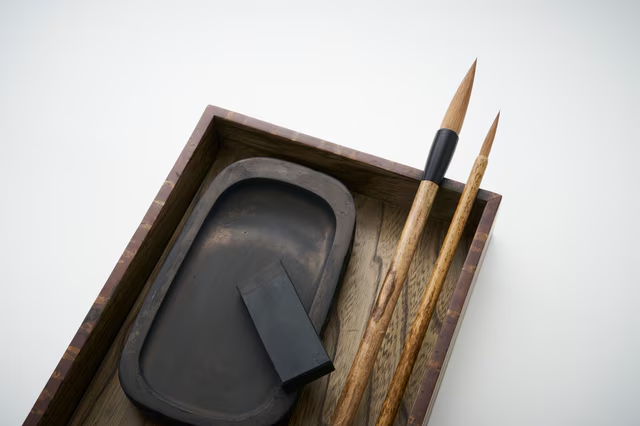
Japanese calligraphy, or Shodo, traces its roots to ancient China and has evolved over more than 3,000 years. Early calligraphers used natural hair brushes, solid ink sticks, and handmade paper. Ink was created by grinding soot-based ink sticks on wet stones—a process that required time, patience, and skill.
Because materials were precious, every stroke had to be intentional. Over centuries, calligraphy became a deeply respected art form, and master calligraphers devoted their entire lives to refining brush control, pressure, rhythm, and expression.
Traditional Japanese calligraphy brushes were made from natural animal hairs such as:
- horse
- goat
- weasel
- deer
- rabbit
These hairs were carefully selected and combined to create the ideal softness or firmness. Each brush was meticulously crafted—down to inspecting individual strands—to ensure perfect stroke expression.
Modern Variations of Japanese Calligraphy Pens
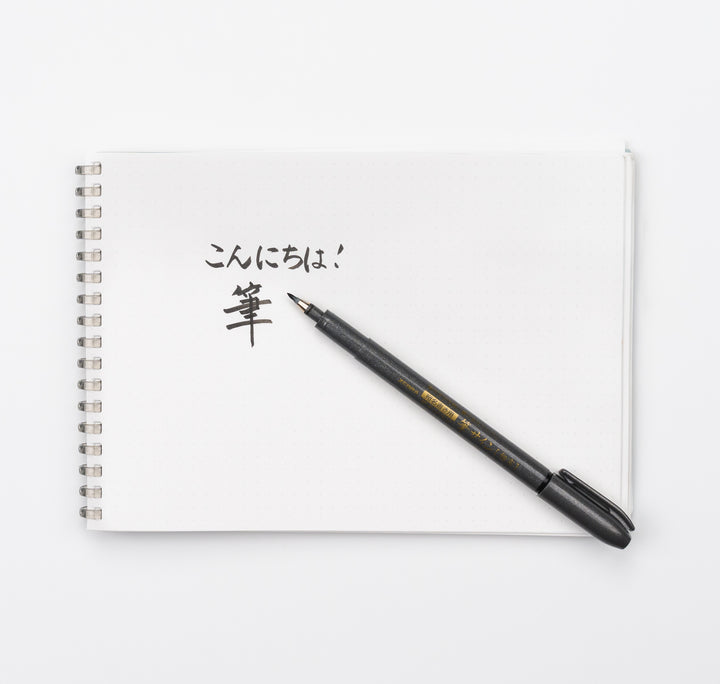
Today, calligraphy practice has become more accessible thanks to the popularity of brush pens (Fude pens). These modern tools retain the expressive qualities of traditional brushes but offer:
- easier maintenance
- portable designs
- consistent ink flow
- refillable cartridges
- synthetic or felt tips for greater control
While traditional brushes remain irreplaceable for formal Shodo, modern brush pens are perfect for beginners, hobbyists, and contemporary lettering styles.
Key Characteristics of Japanese Calligraphy Pens
Brush Tip Type
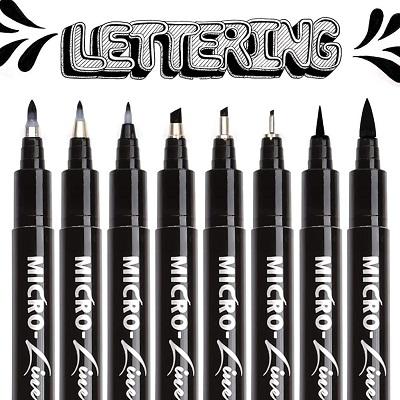
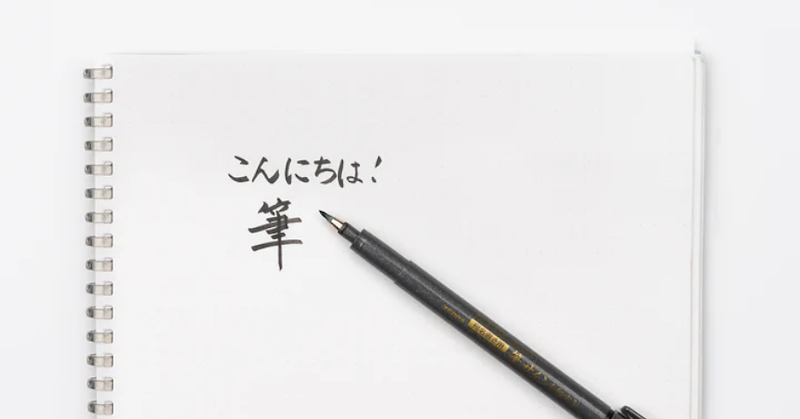
One of the defining features of Japanese calligraphy pens is the Fude tip. Unlike metal nibs, Fude pens use:
- animal hair
- synthetic bristles
- felt tips
Felt-tip Fude pens are easiest for beginners because they behave like markers and don’t require advanced brush control.
Bristle tips offer more expressive stroke variation but require experience and steady hand movements.
Tip Firmness

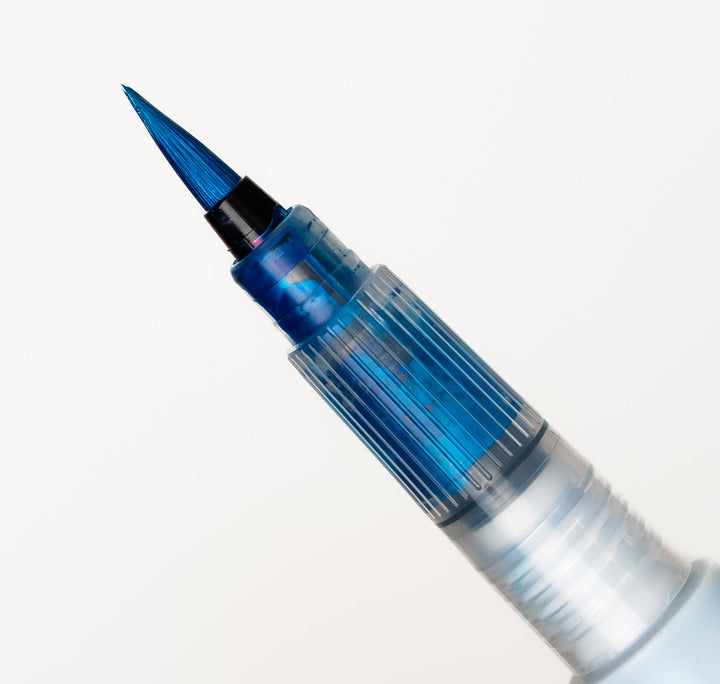
The firmness of the tip affects control:
- Soft bristle tips → expressive, great variation, but harder to control
- Firm felt tips → beginner-friendly, consistent strokes
For beginners, firmer tips help build fundamental control without accidental wobbles.
Ink Flow and Control
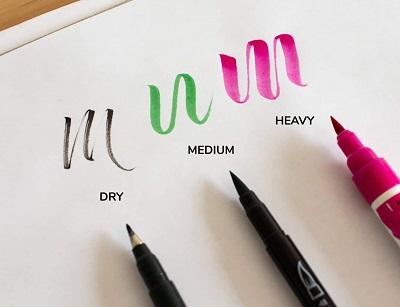
Good calligraphy pens maintain a smooth, controlled ink flow. Some pens write wetter and create bold strokes, while others are drier and allow finer control.
A beginner-friendly pen should:
- not leak
- not dry out easily
- produce clean, consistent strokes
Ink flow affects contrast, texture, and stroke precision.
Best Japanese Calligraphy Pens For Beginners
PILOT Parallel Pen
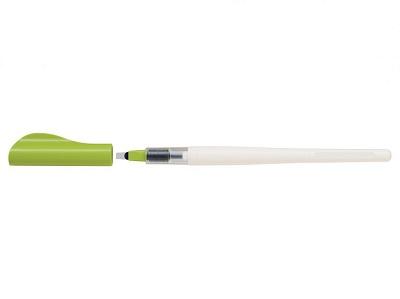
A breakthrough in modern calligraphy tools, the Pilot Parallel Pen uses two parallel metal plates instead of a brush. This creates sharp, crisp lines and dramatic stroke variation simply by changing the writing angle.
Why it’s great:
- Extremely easy for beginners
- Creates consistent, clean lines
- Available in multiple nib widths
- Cartridges are easy to replace
- Ideal for learning Western & modern calligraphy
Though unconventional for traditional Shodo, it’s excellent for practicing forms, angles, and structure.
ZEBRA Brush Pen WF1
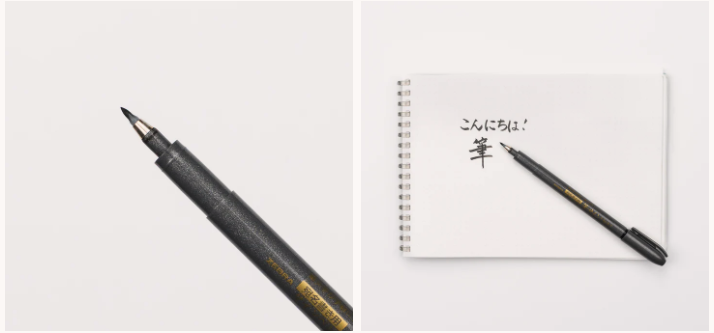
A pen that brings clarity and grace to every line.
The Zebra Fine Sign Pen WF1 features a firm, fine tip that glides smoothly across the page—perfect for neat handwriting, sketches, or gentle accents in your journal. Its consistent ink flow and quick-drying formula make writing effortless and clean, without smudges or skips.
Why it’s great:
- Firm, precise tip for controlled strokes
- Smooth writing feel with consistent ink flow
- Quick-drying ink that reduces smudging
- Ideal for lettering beginners and casual journaling
This pen is perfect for anyone starting out who wants a simple, reliable tool that always writes cleanly.
KURETAKE Fudegokochi Brush Pen
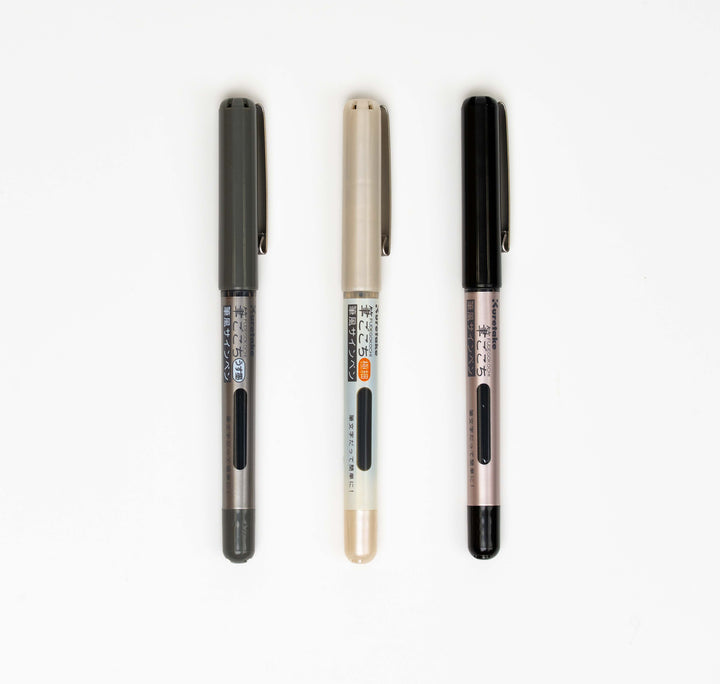
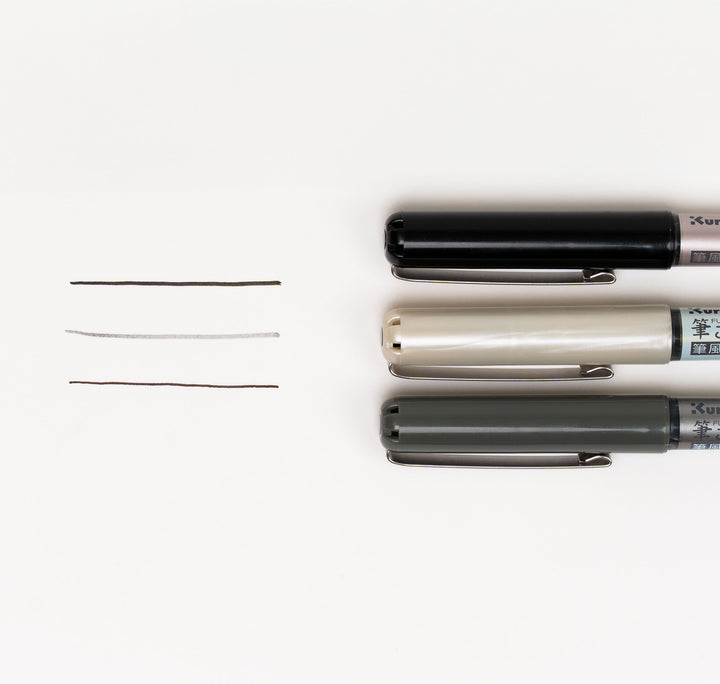
A favorite among artists and calligraphers for its balance and affordability.
Why we recommend it:
- Smooth, flexible synthetic tip
- Excellent line variation
- Bold, dark ink
- Very beginner-friendly
- Affordable (around $6 for 3 pens set)
The only downside: it's not waterproof, so be careful with mixed media or watercolor overlays.
If you’d like to learn more about the company behind this pen, you can read our full blog about Kuretake and its long history of creating Japanese art tools.
AKASHIYA Koto Brush Pen
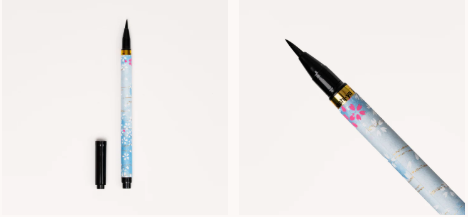
The AKASHIYA Koto Brush Pen brings a graceful touch to your writing and artwork, inspired by the quiet beauty of traditional Japanese brush techniques. With its fine, flexible tip, it flows effortlessly—perfect for expressive lettering, delicate strokes, and soft shading.
Whether you're journaling or creating art, each line carries a sense of rhythm and intention, much like the gentle pluck of a koto string.
Why We Love It:
- Flexible brush tip for graceful, expressive strokes
- Beautifully balanced for both calligraphy and illustration
- Smooth ink flow for effortless writing and blending
- Elegant design inspired by traditional Japanese aesthetics
Perfect for mindful creativity and slow, intentional moments
TOMBOW Dual Brush Pens
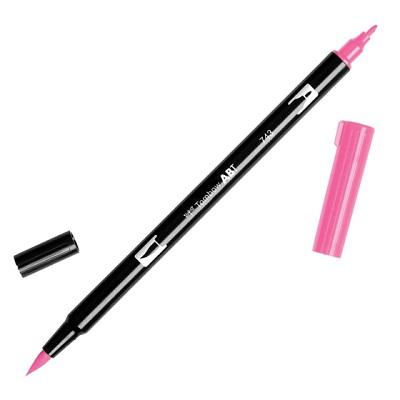
One of the most versatile Japanese brush pens on the market.
Why they’re popular:
- Dual-tip design (brush + fineliner)
- 108 colors for creative lettering
- Soft flexible brush tip
- Smooth blending capability
- Affordable at around $4 each
These pens are water-based and not waterproof, but perfect for beginners exploring both calligraphy and coloring.
KURETAKE Wink of Luna Brush
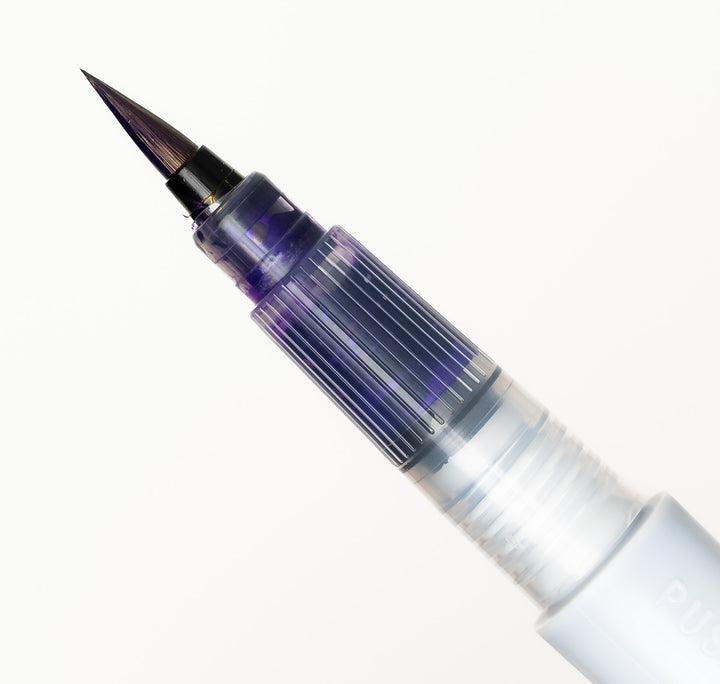

A shimmering brush pen that adds elegance and soft metallic beauty to every stroke.
Why We Love It:
- Brush tip allows for expressive, painterly strokes
- Metallic ink with a soft, luminous finish
- Works beautifully on both dark and light papers
- Ideal for hand lettering, highlights, and embellishments
- Adds just the right touch of sparkle to creative moments
Perfect for journaling, cards, or adding magical highlights that gently catch the light.
PENTEL Dual Metallic Brush
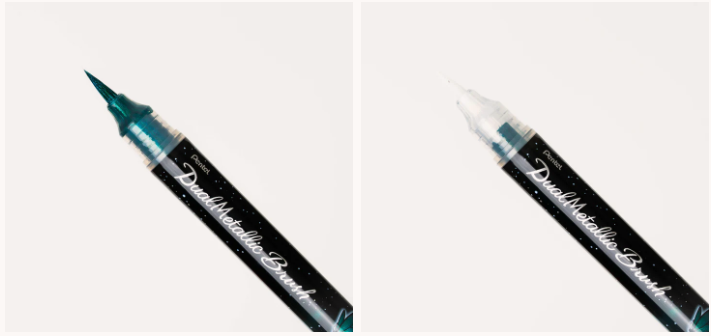
A magical brush pen that brings shifting, glittering color to your art and lettering.
Why We Love It:
- Shimmering ink that changes color based on angle and paper
- Flexible brush tip for expressive lines and smooth control
- Gorgeous on both dark and light surfaces
- Perfect for lettering, accents, and decorative flourishes
- Adds an enchanting twist to everyday creativity
A wonderful pick for artists who love bold shimmer and dynamic visual effects.
ZEBRA Mildliner Brush Pen
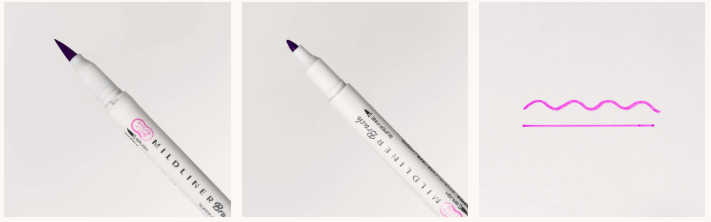
A soothing, versatile brush pen that brings gentle color and calm creativity to your work.
Why We Love It:
- Dual tips: flexible brush for expressive strokes + fine point for detail
- Soft, eye-friendly colors that never overpower the page
- Water-based ink that glides smoothly without bleeding
- Ideal for calligraphy, planners, and mindful journaling
- A beautifully balanced tool for quiet, creative expression
Perfect for students, planners, and anyone who loves soft color and relaxing creative moments.
Free Japanese Writing Practice Sheets
If you're excited to start practicing Japanese calligraphy or simply want to improve your handwriting, we’ve also prepared free Japanese Writing Practice Sheets you can download. They’re perfect for beginners learning brush control, stroke order, or basic kana—and pair wonderfully with any of the pens mentioned in this guide. Feel free to print them out and practice at your own pace!
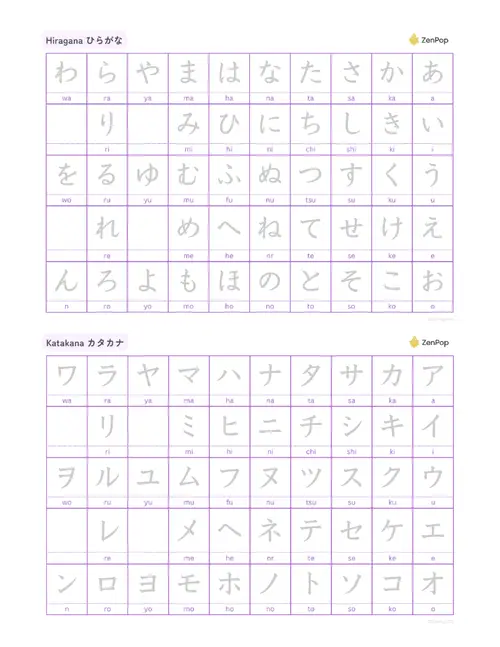
Hiragana and Katakana Writing Practice Sheet
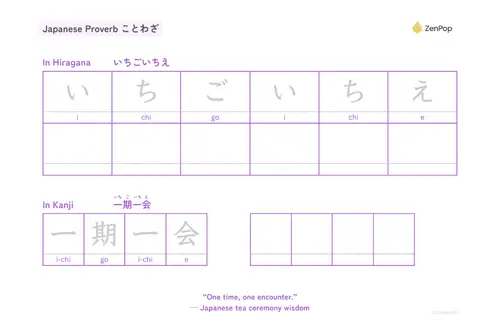
Japanese Proverb Writing Practice Sheet (Entry Level)
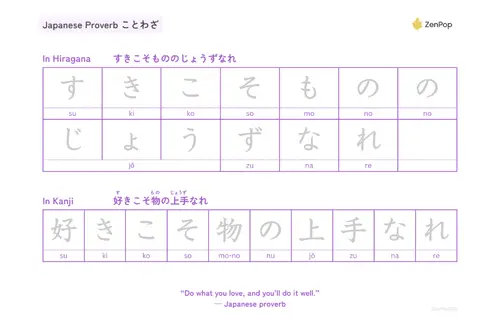
Japanese Proverb Writing Practice Sheet (Intermediate Level)
Final Thoughts
Japanese calligraphy pens are more than just writing instruments—they are timeless tools rooted in centuries of artistic tradition. Whether you’re practicing Shodo, exploring modern brush lettering, or simply wanting to improve your handwriting, the right pen can make the journey more enjoyable and expressive.
If you're excited to try some of these calligraphy pens for yourself, you can find a curated selection of high-quality Japanese brush pens at the ZenPop Store.