What Is Chigiri-e? Discover Japan’s Torn Paper Art
Some forms of Japanese art feel bold and dramatic. Chigiri-e feels quiet.
Made from carefully torn pieces of washi paper, Chigiri-e is a traditional Japanese paper art known for its soft textures, layered colors, and calm handmade feeling. Instead of painting with brushes, artists create scenes and shapes using torn paper pieces layered together by hand.
Even the torn edges become part of the beauty.
Flowers blooming in spring, gentle landscapes, birds resting on branches, drifting clouds — Chigiri-e often captures small peaceful moments inspired by nature and the changing seasons.
Today, its influence can still be found in modern Japanese stationery, especially in collage styles, journaling aesthetics, and even masking tape designs inspired by torn paper textures.
What Does “Chigiri-e” Mean?
The word Chigiri-e (ちぎり絵) comes from two Japanese words:
- Chigiru (ちぎる) — “to tear”
- E (絵) — “picture” or “painting”
Together, Chigiri-e simply means “torn paper picture.”
source: https://craftie.jp/style/article/26725
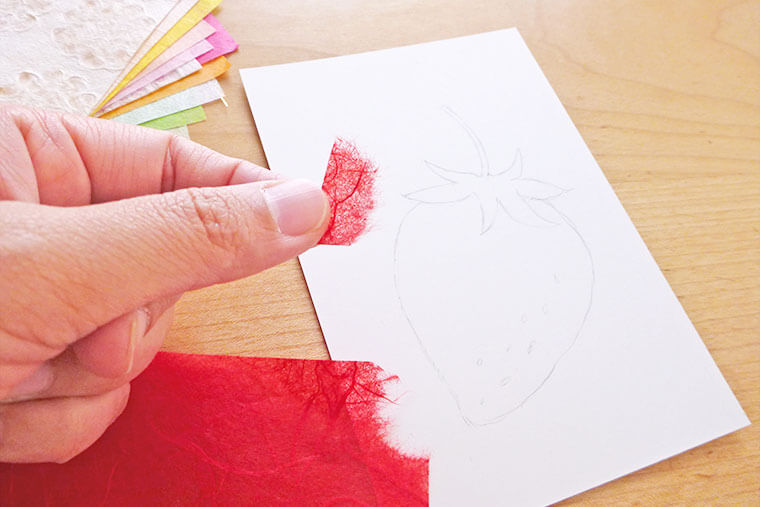
Unlike cutting paper with scissors, Chigiri-e uses hand-torn pieces of washi paper to create soft feathered edges that blend naturally into one another. This creates a texture that feels warm, organic, and slightly imperfect in the most beautiful way.
Traditional Chigiri-e often uses handmade Japanese washi paper because of its delicate fibers, gentle transparency, and rich colors.
No two torn edges are ever exactly the same, which gives every artwork its own quiet personality.
A Brief History of Chigiri-e
Chigiri-e is deeply connected to Japan’s long relationship with paper craftsmanship.
Japan has been producing beautiful washi paper for centuries, and over time, artists began exploring creative ways to use its texture and softness beyond writing and calligraphy.
By layering torn washi pieces together, they discovered they could create artworks with depth, movement, and emotion without using paint at all.
Over the years, Chigiri-e became appreciated not only as an art form, but also as a peaceful creative hobby enjoyed by people of many ages.
Even today, many people are drawn to Chigiri-e because it encourages slow creativity and mindful hands-on crafting — something that can feel especially comforting in a fast digital world.
Why Chigiri-e Feels So Relaxing
Part of Chigiri-e’s charm comes from how gentle the process feels.
There is no pressure for perfectly straight lines or exact shapes. Instead, you slowly tear paper by hand, layer colors together, and let the natural textures guide the artwork.
The soft fibers of washi paper create subtle transitions that almost feel painted, even though no brush is involved.
Many people enjoy Chigiri-e for the same reason they enjoy journaling, scrapbooking, or decorating planners:
- It encourages slower creative moments
- It feels tactile and calming
- Small imperfections become part of the artwork
- It allows creativity without strict rules
There’s something quietly satisfying about turning torn scraps of paper into something expressive and beautiful.
Chigiri-e Can Be Made with More Than Washi Paper
source: https://www.ma-naru.com/
Traditional Chigiri-e is often created using handmade Japanese washi paper, but one of the loveliest things about this art form is that it does not have to stay traditional.
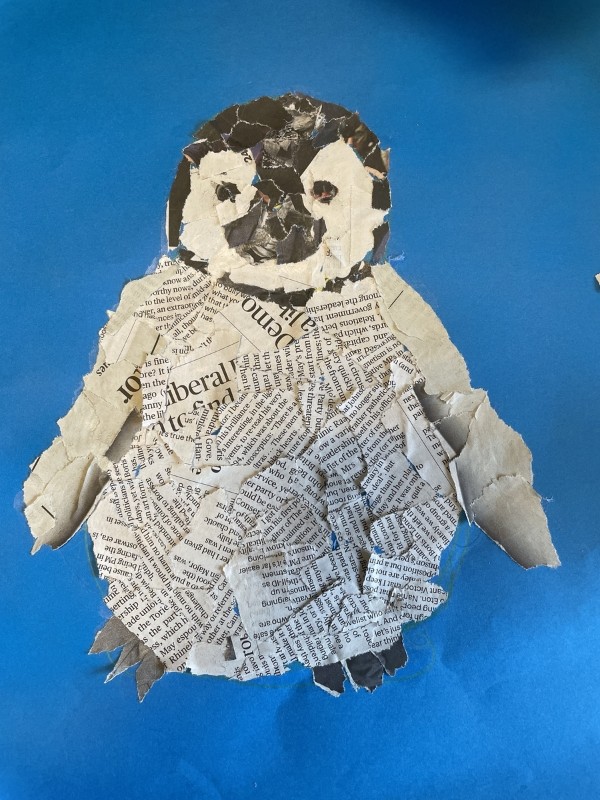
Many people today create Chigiri-e using materials already around them — magazine pages, packaging paper, flyers, old books, and even newspapers.
Different kinds of paper create completely different moods:
- Washi paper feels soft and delicate
- Magazine paper creates colorful modern collages
- Kraft paper adds warmth and texture
- Newspaper creates nostalgic monochrome shading and surprising detail
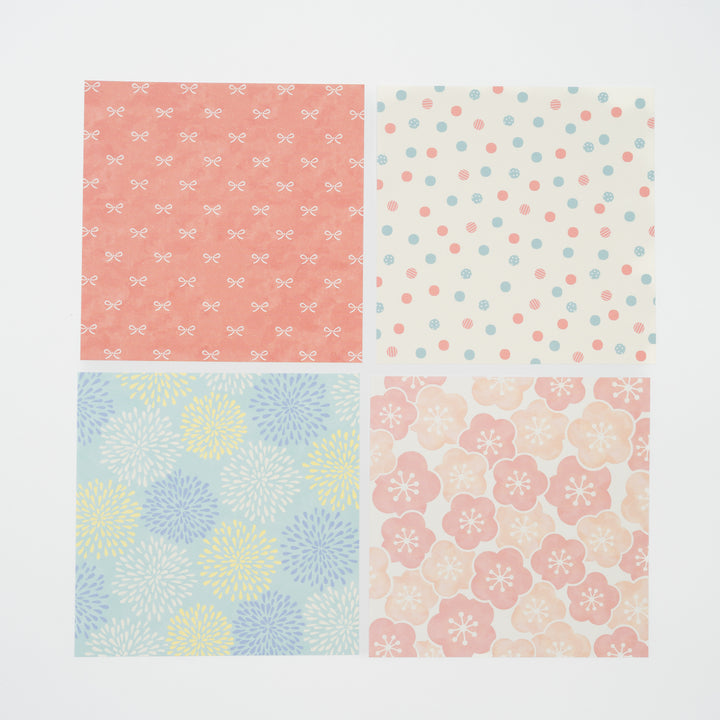
Shop Design Paper for Chigirie
That freedom is part of what makes Chigiri-e feel approachable and personal. You do not need expensive art supplies to begin — sometimes a stack of old paper and a little curiosity is enough.
In fact, one of Japan’s most beloved Chigiri-e artists became famous for exactly that.
The 93-Year-Old Japanese Artist Who Creates Chigiri-e with Newspaper
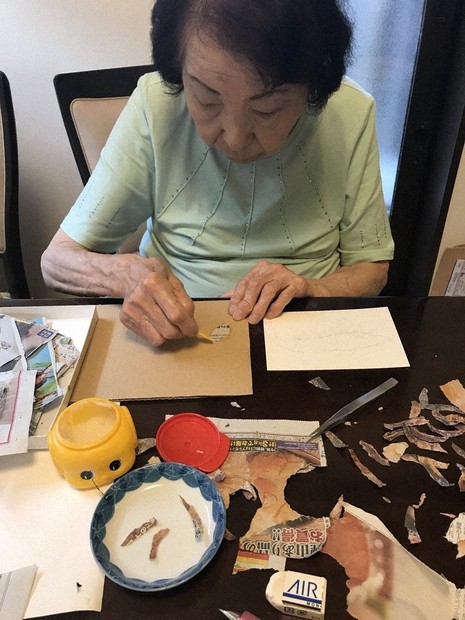
source: mainichi.jp
Japanese artist Setsu Kimura from Nara began creating newspaper Chigiri-e at the age of 90.
After losing her husband at 89 years old, she started making artwork by tearing and layering pieces of newspaper into detailed everyday scenes inspired by daily life.
Her works quickly captured attention across Japan for their warmth, humor, and incredible craftsmanship. Even though the materials are simple newspaper pages, the finished artworks feel deeply expressive and alive.
Today, her exhibitions attract many visitors, and her works have been featured in books and Japanese media.
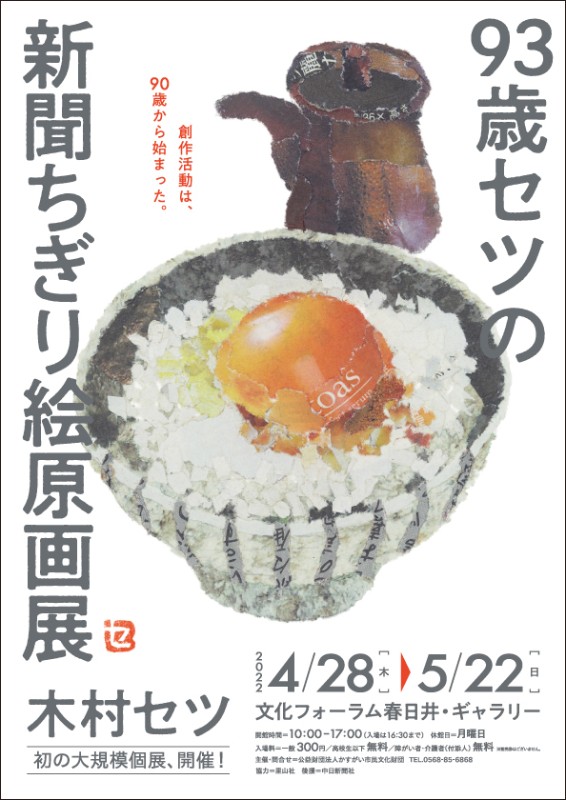
There is something especially moving about her story: A new creative chapter beginning at 90 years old. Her Chigiri-e reminds people that creativity does not belong to any specific age, skill level, or material. The joy of making something with your hands can begin anytime.
Even ordinary newspaper becomes beautiful once it carries memory, patience, and personality.
In many ways, that gentle philosophy feels very close to the spirit of journaling, collage, and everyday stationery creativity too.
Chigiri-e and Modern Washi Tape Art
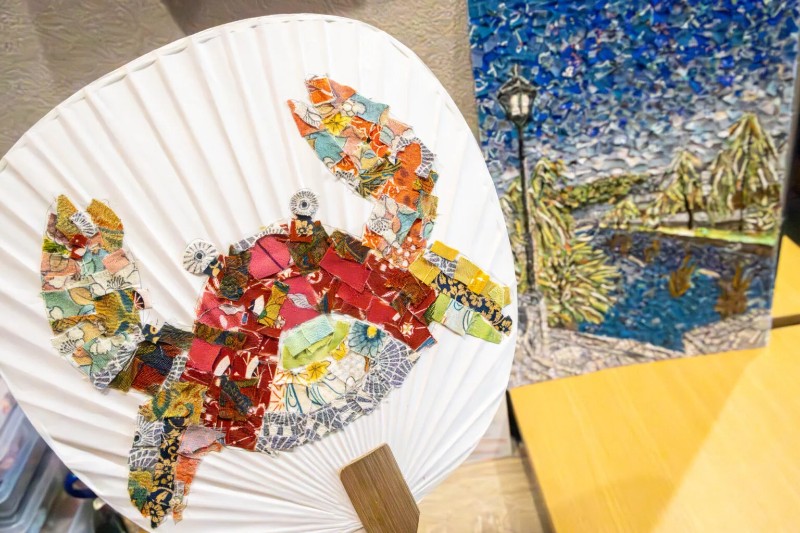
source: https://kuratoco.com/
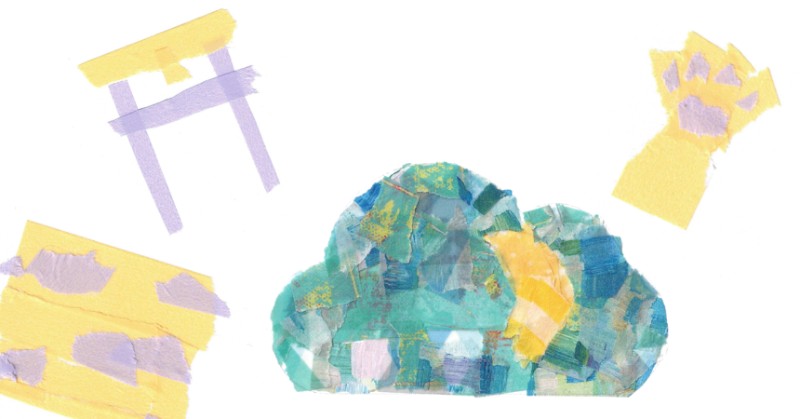
Although traditional Chigiri-e uses handmade washi paper, its layered textures and soft collage aesthetic continue to inspire modern Japanese stationery today.
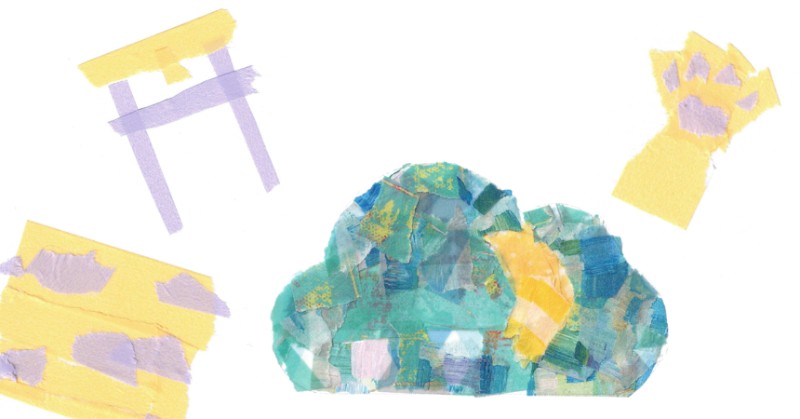
Many masking tapes, stickers, and journaling materials now recreate the feeling of layered paper art through textured printing, watercolor effects, and torn-edge designs. That’s part of why Chigiri-e-inspired stationery feels so cozy and expressive in journals and creative projects.
If you enjoy layering paper, decorating journals, or creating collage spreads, you may also enjoy our guide to Japanese washi tape art ideas.
Washi tape makes it easy to explore similar textures and layered compositions in a more casual everyday way.
How People Use Chigiri-e Inspired Masking Tape
Chigiri-e inspired masking tape sets bring the feeling of torn paper art into everyday stationery use.
They’re especially popular for:
- Journaling and planner decoration
- Collage spreads
- Pen pal letters
- Gift wrapping accents
- Scrapbooking
- Decorating postcards and notebooks
The layered paper textures create a softer and more handmade atmosphere compared to ordinary printed tape designs.
Some designs feel nostalgic and painterly, while others capture seasonal flowers, landscapes, or traditional Japanese color palettes inspired by washi paper art.
Bring a Little Chigiri-e Into Your Journal
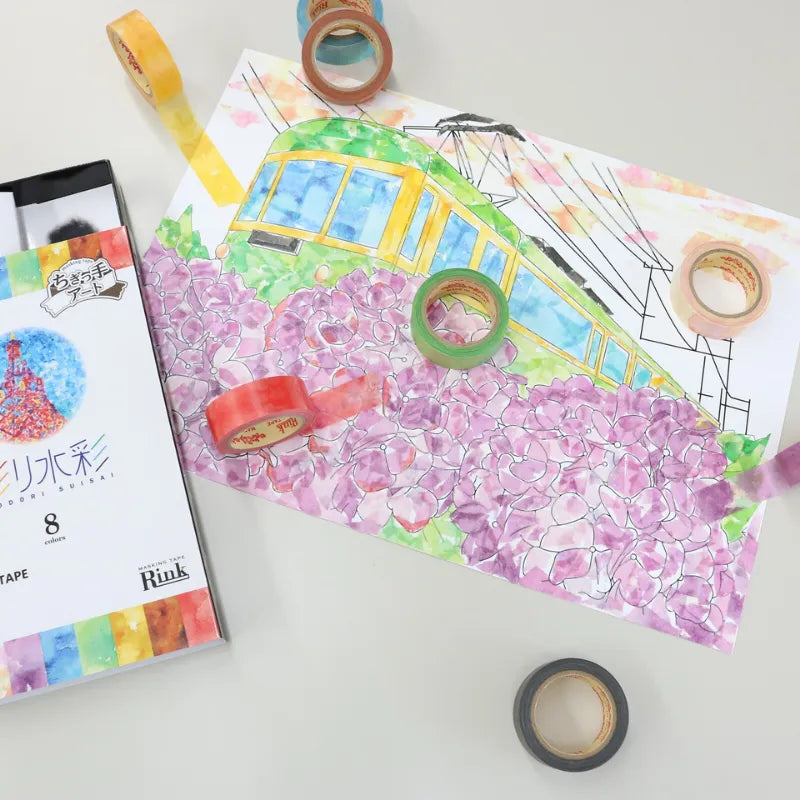
source: RINREI
Our upcoming Chigiri-e masking tape sets are inspired by the gentle textures and layered feeling of traditional Japanese torn paper art.
Whether you use them for journaling, collage, decorating happy mail, or adding soft details to your planner pages, they bring a warm handmade touch to everyday creativity.
They pair especially beautifully with kraft paper, fountain pen ink, watercolor journals, and layered washi tape spreads.
If you love Japanese stationery that feels calm, artistic, and a little nostalgic, Chigiri-e inspired designs are a lovely place to begin.
Explore Chigiri-e Inspired Masking Tape From RINREI
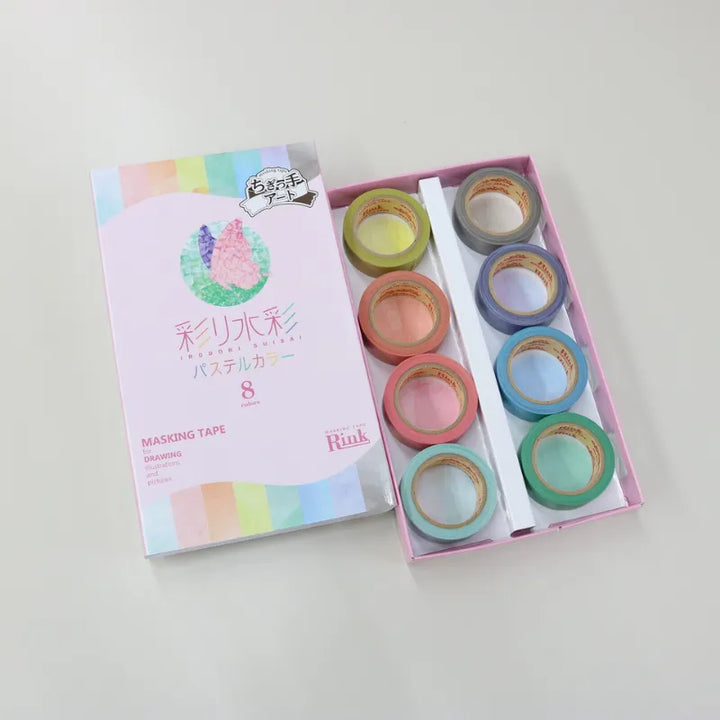
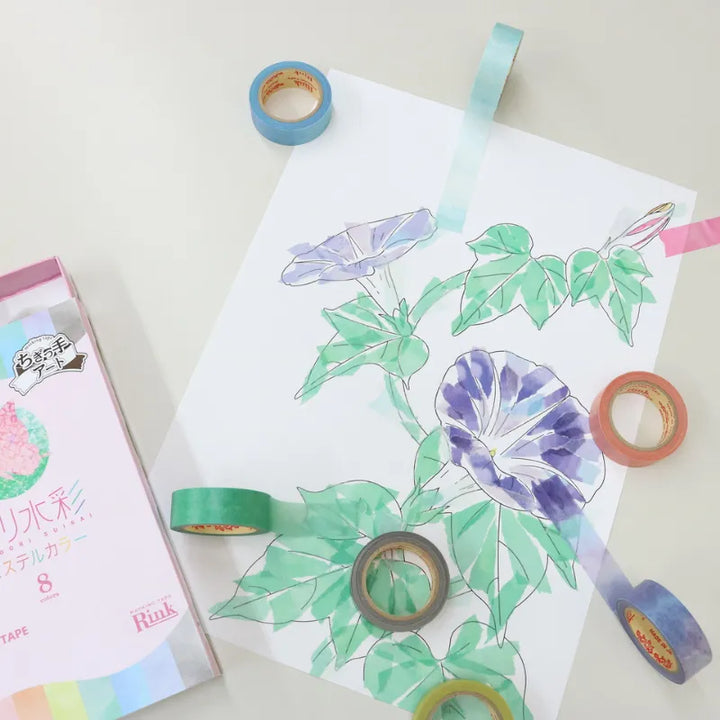
Soft textures, layered paper aesthetics, and gentle Japanese artistry for your journal and creative space.
Frequently Asked Questions About Chigiri-e
What paper is used for Chigiri-e?
Traditional Chigiri-e usually uses Japanese washi paper because its fibers create soft feathered edges when torn by hand.
Is Chigiri-e difficult for beginners?
Not at all. Many people enjoy Chigiri-e because it feels approachable, relaxing, and forgiving compared to more technical art styles.
Is Chigiri-e similar to collage art?
They are similar in some ways, but Chigiri-e focuses more on torn washi textures, layered blending, and softer natural transitions.
Why are torn edges important in Chigiri-e?
The soft torn fibers help create depth, texture, and gentle blending between colors, which gives Chigiri-e its distinctive look.