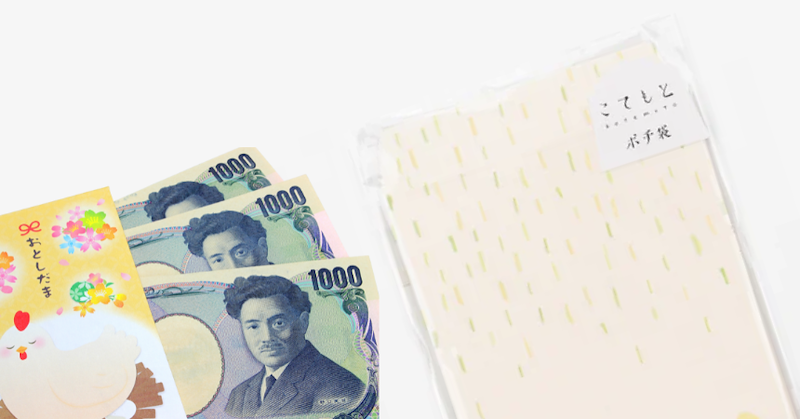
What Is Pochibukuro? A Complete Guide to Japanese Mini Envelopes
In Japan, small gestures often carry deep meaning. One quiet but powerful example is the pochibukuro (ポチ袋) — a small decorative envelope traditionally used to give money or tiny gifts. While it may look simple, a pochibukuro reflects care, thoughtfulness, and respect for the moment it’s used in.
This guide will walk you through what pochibukuro is, how it’s used, when to use it, and the unspoken etiquette that surrounds it, so you can use it with confidence and intention.
What Is a Pochibukuro (Japanese Mini Envelope)?
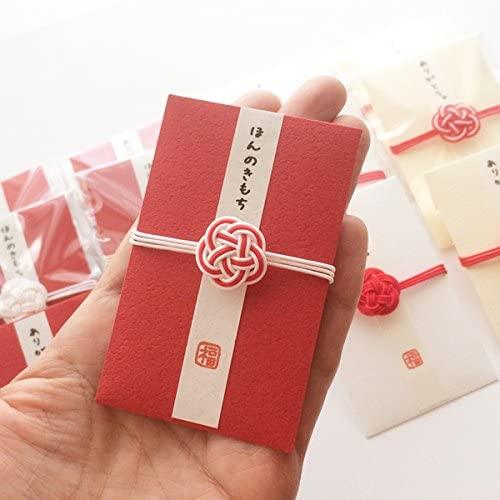
*image from Amazon.jp
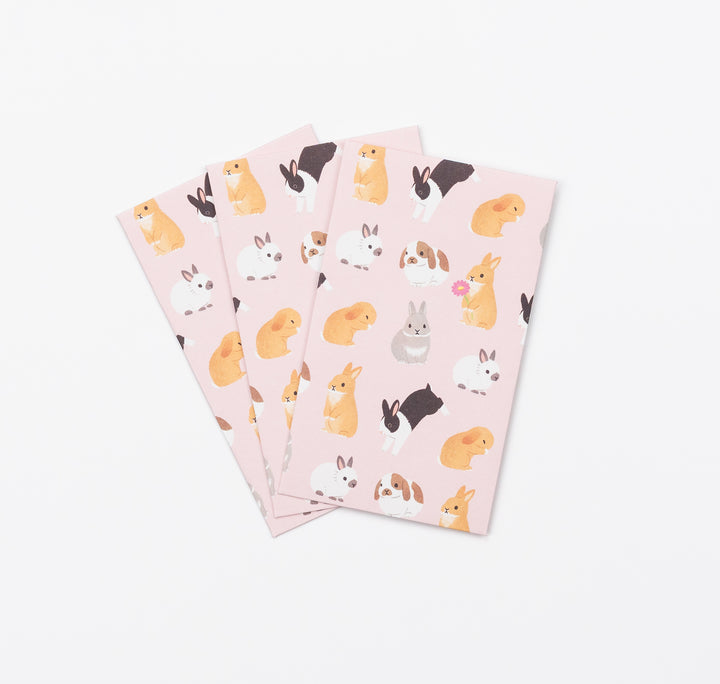
A pochibukuro is a small Japanese envelope, typically made of paper, used to hold cash, gift cards, or small flat items. The word “pochi” suggests something small or modest, while “fukuro” means bag or envelope. Together, the term implies a humble, thoughtful gift rather than something extravagant.
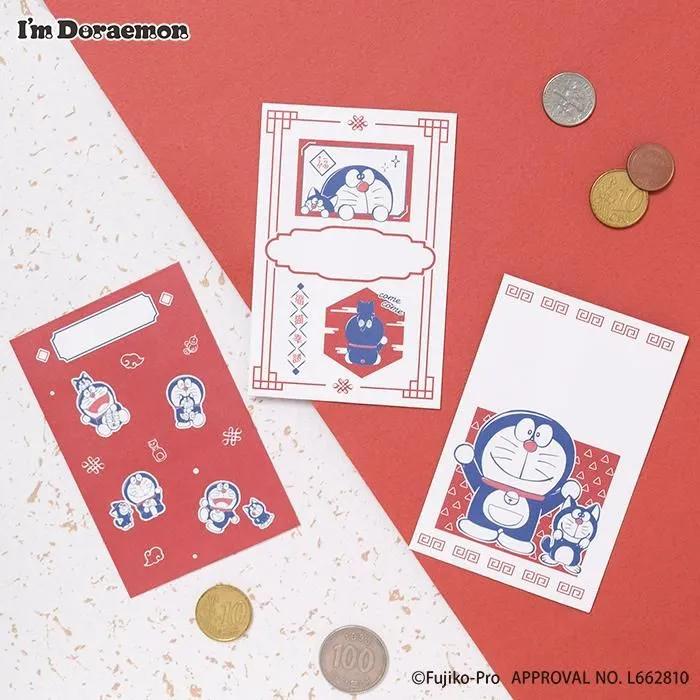
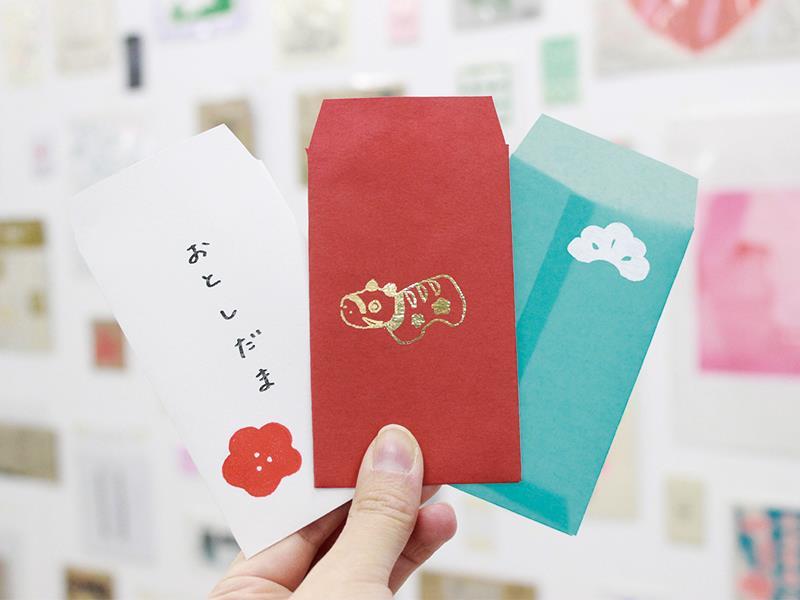
Unlike standard envelopes, pochibukuro often feature illustrations, patterns, or subtle seasonal designs. They are intentionally compact, designed to hold folded bills rather than bulky contents.
Common Uses of Pochibukuro in Japan
1. Giving Money to Children
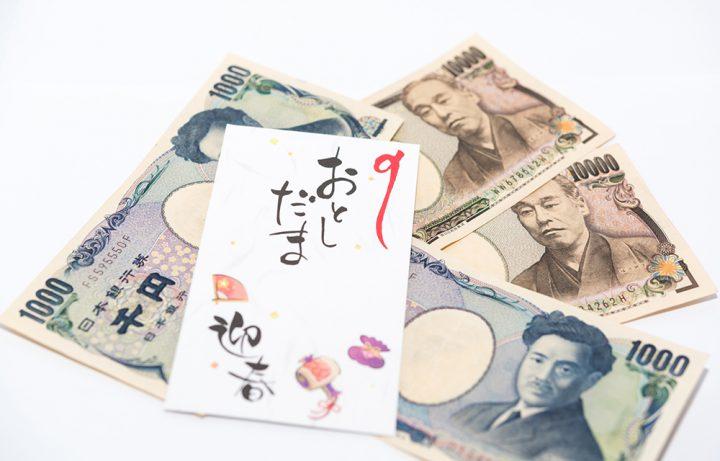
One of the most familiar uses is during New Year (Otoshidama), when adults give money to children in decorative pochibukuro. The envelope adds warmth and ceremony to what would otherwise be a simple cash gift.
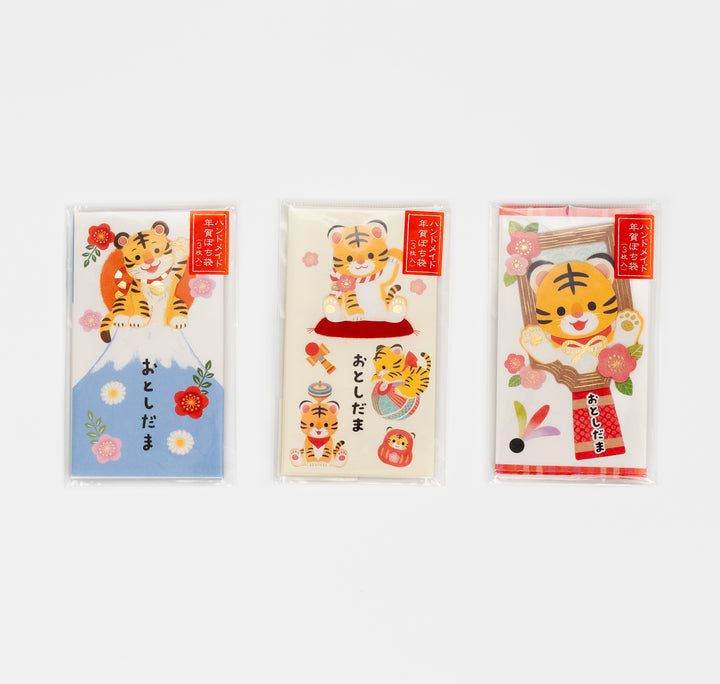
ACTIVE CORPORATION New Year Mini Envelope (Otoshitama) - Tiger
2. Small Thank-You Gifts
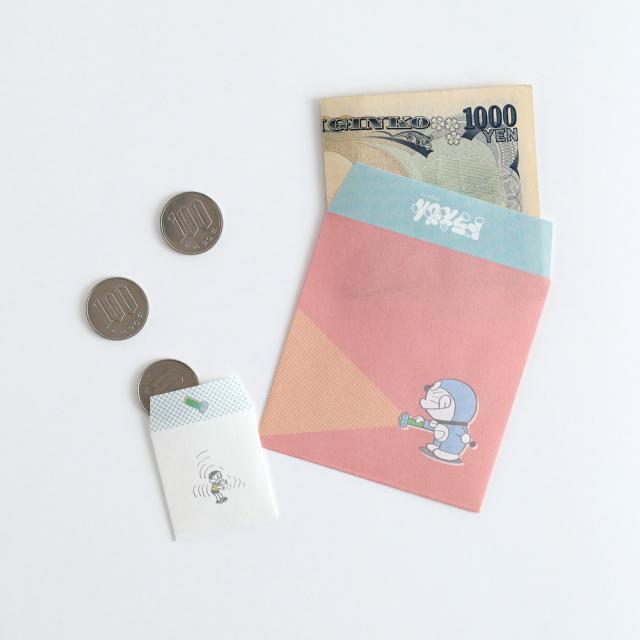
Pochibukuro are often used to give small amounts of money as a thank-you — for example, to someone who helped with a task, watched a pet, or offered support.
3. Celebrations and Life Events

*image source: MIDORI
They can be used for:
- Weddings (casual or secondary gifts)
- Birth celebrations
- Milestones and achievements
- In more formal cases, specific envelopes may be preferred, but pochibukuro are commonly used for casual or personal celebrations.
4. Apology or Appreciation Money
In some situations, small compensation or apology money may be given quietly using a simple, understated pochibukuro.
What Can You Put Inside a Pochibukuro?
Traditionally, pochibukuro are used for cash, but today their use has expanded. Common contents include:
- Folded banknotes
- Gift cards or vouchers
- Small handwritten notes
- Stickers or stamps
- Jewelry or charms (if flat and light)
The key is keeping the contents modest and appropriate for the envelope’s size and design.
How to Fold Money for a Pochibukuro

*image source: manekomi (translated by ZenPop)
Japanese banknotes are typically folded neatly and intentionally:
- Always use new banknotes if possible
- If the amount is over 10,000JPY, use a bigger and longer envelop so the banknotes will not be folded
- Crisp folds show respect and care
Messy or rushed folding can unintentionally feel careless, even if the amount is generous.
Choosing the Right Design
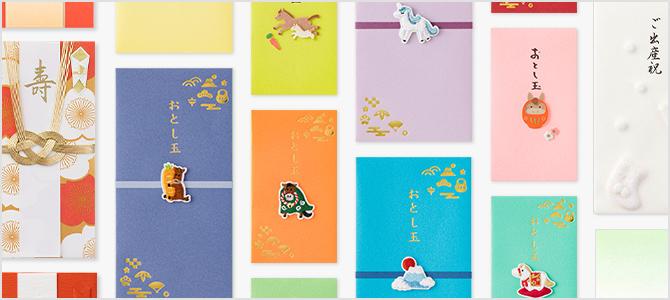
*image source: MIDORI
Design matters more than many people expect.
- Cute illustrations: Often used for children or close friends
- Minimal or neutral designs: Suitable for adults, coworkers, or formal settings
- Seasonal designs: Popular during New Year, spring celebrations, or festivals
Avoid designs that feel too playful for serious occasions, or overly formal for casual moments.
Pochibukuro Etiquette: Do’s and Don’ts
Do:
- Choose a design appropriate to the occasion and relationship
- Insert money neatly and cleanly
- Hand the envelope with both hands when possible
- Write a short message if the design allows
Don’t:
- Use a childish design for formal or professional situations
- Overstuff the envelope
- Give wrinkled or damaged bills
- Treat pochibukuro as “just packaging” — it’s part of the gesture
Is Pochibukuro the Same as Otoshidama Fukuro?
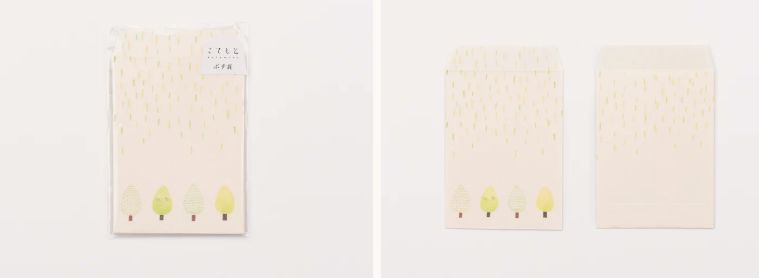
GREENFLASH Mini Envelope - Grass
At first glance, pochibukuro (ポチ袋) and otoshidama fukuro (お年玉袋) look very similar. Both are small paper envelopes, often decorative, and both are commonly used to give money. Because of this, the two terms are sometimes used interchangeably — but they are not exactly the same.
Understanding the difference helps you choose the right envelope for the right moment.
What Is an Otoshidama Fukuro?
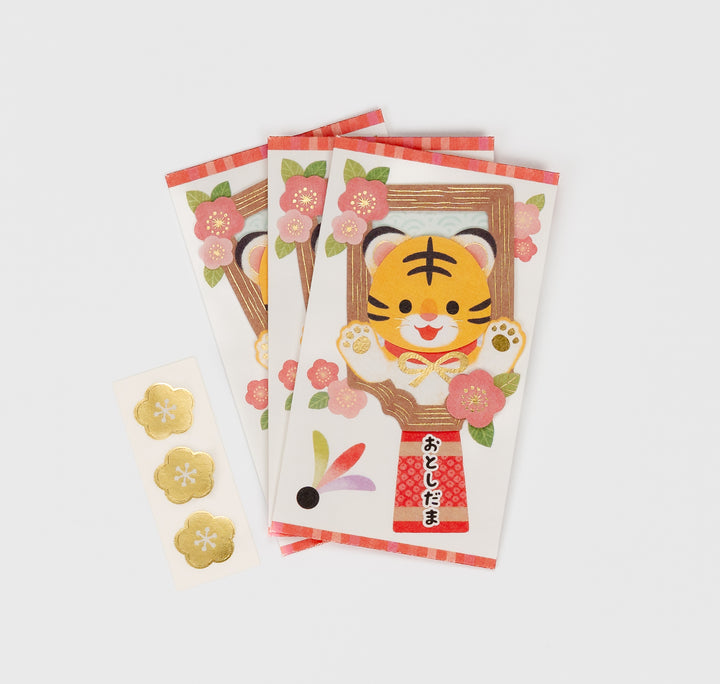
ACTIVE CORPORATION New Year Mini Envelope (Otoshitama) - Tiger
An otoshidama fukuro is a specific type of envelope used exclusively for New Year’s money gifts in Japan. During the New Year holiday, adults give money to children, and this tradition is called otoshidama.
Otoshidama fukuro typically:
- Are used only during New Year
- Often feature zodiac animals, lucky symbols, or festive designs
- Are associated strongly with children
- Follow a seasonal and cultural tradition
Because otoshidama is a formal annual custom, these envelopes carry a clear seasonal meaning.
Key Differences at a Glance
| Pochibukuro | Otoshidama Fukuro | |
|---|---|---|
| Usage | Year-round | New Year only |
| Purpose | Money, notes, small gifts | New Year’s money for children |
| Audience | Children and adults | Mostly children |
| Design | Wide variety | Seasonal, festive |
| Cultural specificity | Flexible | Highly specific |
Can You Use a Pochibukuro for Otoshidama?
Yes — many people do.
In modern Japan, especially with simpler or more neutral designs, pochibukuro are often used as otoshidama envelopes. As long as the design feels appropriate for New Year and the recipient, this is widely accepted.
However, using an envelope clearly labeled or designed specifically for otoshidama outside the New Year season would feel unusual.
Which One Should You Choose?
- If you’re giving New Year’s money to a child, an otoshidama fukuro or New Year-themed pochibukuro is ideal.
- If you’re giving money or a small gift at any other time, pochibukuro is the better choice.
- If you want something versatile and reusable year-round, pochibukuro offers much more flexibility.
If you would like to learn more about which mini envelope is right for this moment, you may check out our complete guide.
A Simple Way to Think About It
You can think of otoshidama fukuro as a seasonal subset of pochibukuro. All otoshidama fukuro are small envelopes, but not all small envelopes are meant for otoshidama.
Understanding this difference allows you to use these envelopes with confidence — respecting tradition while still enjoying their beauty and practicality in everyday life.
How Pochibukuro Reflects Japanese Culture
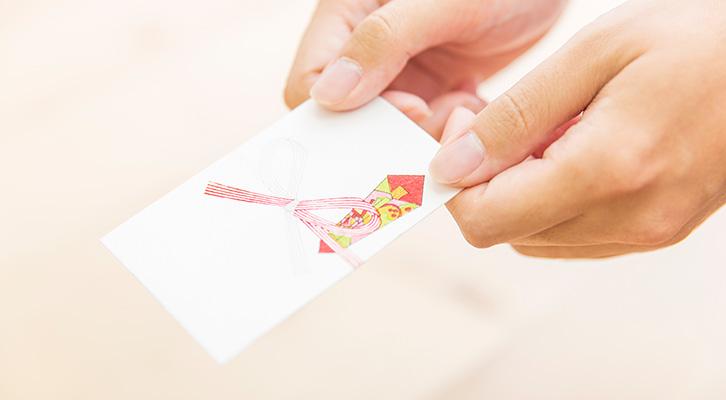
*image soucre: haibara.co.jp
This sensitivity to presentation extends far beyond small envelopes. In Japanese gift culture, how something is wrapped carries meaning equal to what’s inside. Traditions like furoshiki wrapping share the same philosophy — turning the act of giving into a quiet, thoughtful gesture rather than a display of value.
If you’re curious how this idea appears in larger gifts and everyday occasions, you may enjoy our guide to Furoshiki and Japanese Gift Culture | A Guide to Traditional Gift Wrapping, where fabric, folds, and intention come together in a similar way.
Using Pochibukuro Outside Japan
Even if the recipient isn’t familiar with Japanese customs, pochibukuro naturally communicate care. Their small size and thoughtful designs feel universal, turning simple moments such as a quiet thank you, a celebration, or a handwritten note into something more intentional.
These little envelopes remind us that meaning isn’t always about scale. Sometimes, it’s about choosing the right form for the feeling you want to share.
If you’re curious to explore pochibukuro for yourself, we’ve gathered a selection of Japanese mini envelopes in our store, chosen for their balance of design, quality, and versatility. They are the kind of items you might keep tucked away, ready for the right moment. Sometimes, having the right envelope on hand is all it takes to make a gesture feel just right.