Japan's New Years Symbols Explained
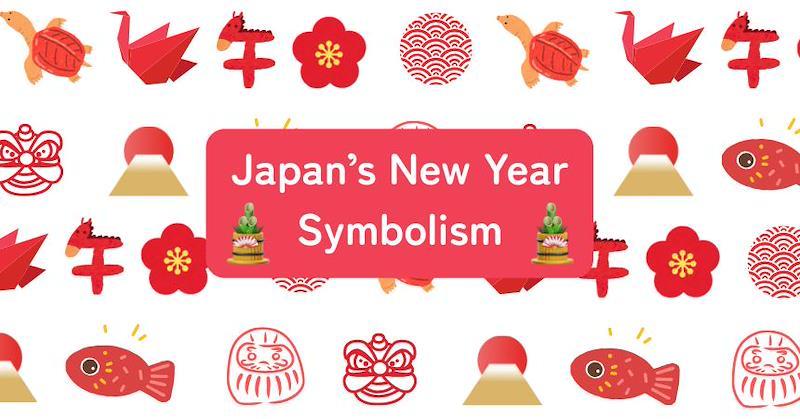
We made a list compiling many of the symbols commonly featured in Japanese art, especially around new years celebrations in the first 3 days of the year. Japanese Iconography can be pretty but confusing to the uninitiated, and as our January Stationery box feature many of these symbols, we wanted to make it more accessible so you can enjoy the stationery beyond their aesthetics, but also feel the deep cultural and historical inspirations that has shaped these designs for centuries.
Japan's New Years Symbols
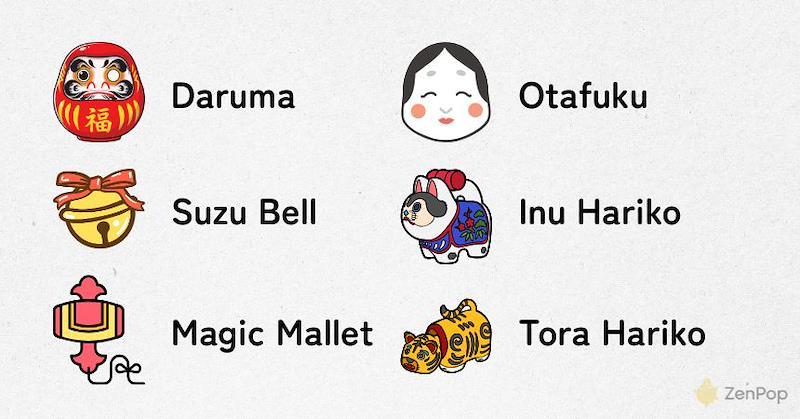
Daruma Doll 達磨
The daruma doll is an abstraction of a historically famous monk called Bodhidharma. This monk was known for his temper and resolve, which would inspire many legends like how he allegedly cut off his own eyelids in order to stay awake and concentrated in meditation. The doll is nowadays used as a symbol of determination, and a common practice is that once you decide on a goal, you paint in one eye, and once the goal is achieved, you paint in the second.
Otafuku 阿多福
The face of a lady with a gleeful face and big cheeks. This design is one of several masks used in Noh theatre and represents mirth and prosperity. It’s also the logo of one of Japan’s biggest condiment companies.
Suzu Bell 鈴
A bell type commonly associated with divinity and shrines. It sounds similar to jingle bells due to their round shape, and come in small sizes for protective talismans or large ones often mounted on shrines as a means to call the gods for prayer. The bell represents good luck!
Inu Hariko 犬張子
It is a papier-mâché doll imbued with the wish that a baby will grow up healthy and lively like a puppy. It serves as a guardian for safe childbirth and the child’s sound growth, and also carries the meaning of warding off evil.
Magic Mallet 打ち出の小槌
A legendary hammer said to grant wishes. Most commonly seen in the hands of one of the 7 lucky gods. It naturally represents wishes coming true! The hammer is also a common magical item in folk tales, where the hammer is either a prize won from ogres or a tool to help the hero, being able to tap your wishes into existence.
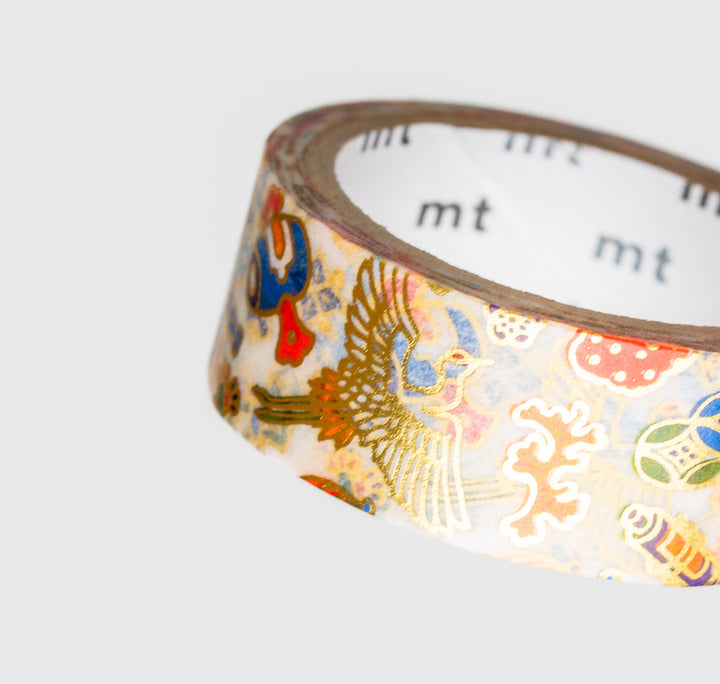
SOU・SOU × MT Textile Foil Staming Masking Tape
Tora Hariko トラ針子
Similar to the dog paper mache dolls , the tiger version are also historically common gifts for children. The symbolism for the tiger leans more on success, bravery and stability. You can find a huge version of the Tora Hariko in Nara’s Shigisan Chogosonshi temple.
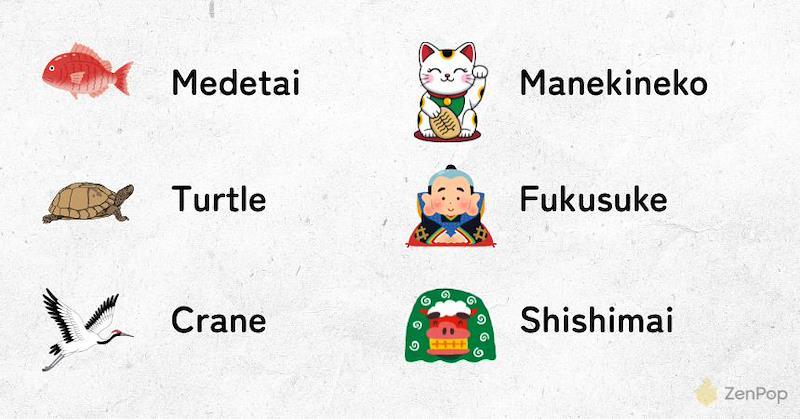
Medetai 鯛
A red sea bream has red scales, but white flesh, which is considered an auspicious combination and is often seen in shrines. They also make for great sushi! The name of the fish in Japanese sounds like "joyful/celebration" which makes it an auspicious symbol.
Manekineko 招き猫
A cat often seen as a figure in businesses. It's said to bring business and money depending on what paw is raised to beckon you. The belief stems from customers approaching the cats home as the cat beacons them with their cute paws and appearance which, let’s be real, is true.

LIG Happy Drawing Manekineko Clip
Turtle 亀
Turtles and tortoises represent longevity as they do in many cultures, considering that they do in fact live very long lives. A popular proverb states “cranes live 1000 years and turtles 10,000 years.
Fukusuke 福助
A doll representing a messenger of good luck doing a traditional bowing greeting with a happy face. He represents perpetual youth and honor, and is even featured on the cover of "The Beatles" famous album "Sgt. Pepper's Lonely Hearts Club Band".
Crane 鶴
The red crowned crane is emblematic of Japan and is said to live 1000 years, and appears along with the turtle in a common idiom about long life. It’s also red and white, which is considered auspicious. If you are interested in folding your own paper crane, you may visit our complete blog here: How to Make a Paper Crane Origami?
Shishimai 獅子舞
The costume for the Chinese lion dance which is performed in festive times. It's said having your head bitten by the lion eats away your misfortune, thus representing protection and celebration.
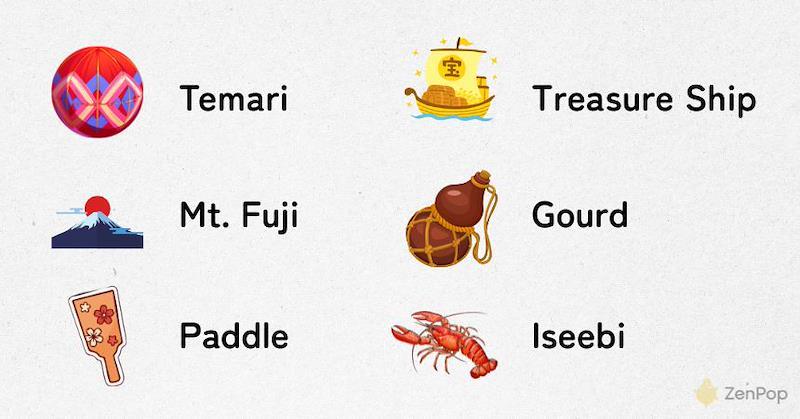
Temari 手毬
A fabric ball that often comes in a variety of colors. Traditionally these were sewn by mothers for their children, and at their center, a small note with a wish for their child's future. The child is never told what the wish is. It represents family, loyalty and friendship.
Treasure boat 宝船
Originating from ships arriving at port with various exotic riches, the more popularized treasure ship is the one piloted across the heavens by the 7 lucky gods. It represents the arrival of luck.
Mount Fuji 富士山
Japan's largest mountain also happens to be revered as a holy mountain in Shinto beliefs. It's seen as a symbol for Japan itself representing strength, purity and eternity.
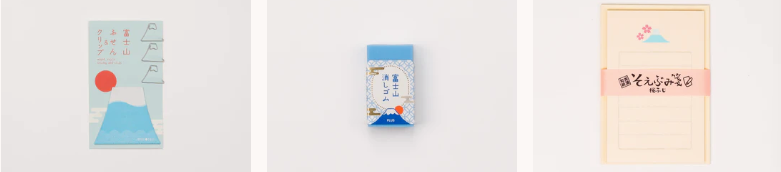
Mt.Fuji inspired stationery items
Gourd 瓢箪
Gourds have historically been grown in Japan for a variety of purposes, including bottles and containers due to their hard shells. Due to their generous size and nature, they have become involved in various wordplays, like how 6 gourds (mubyou) means no sickness. As such, they represent plenty and prosperity. They bear fruit in clusters, they are considered an auspicious symbol representing marital harmony and prosperity of descendants.
Paddle 羽子板
This is actually a sort of racket used in a badminton like game from the past. The motions of waving a racket around resembles dances performed in shrines, and became synonymous with happiness and good fortune.
Iseebi 伊勢えび
Ebi means shrimp in Japan, and is attributed to various crustaceans, with the Iseebi being the lobster. Ise is the area of Japan where lobsters are commonly fished, hence the name. Ise also happens to be where one of Japan’s most important shrines are located. Lobsters are auspicious for their red color and white flesh, and for their crooked posture resembling an old person, representing long life.
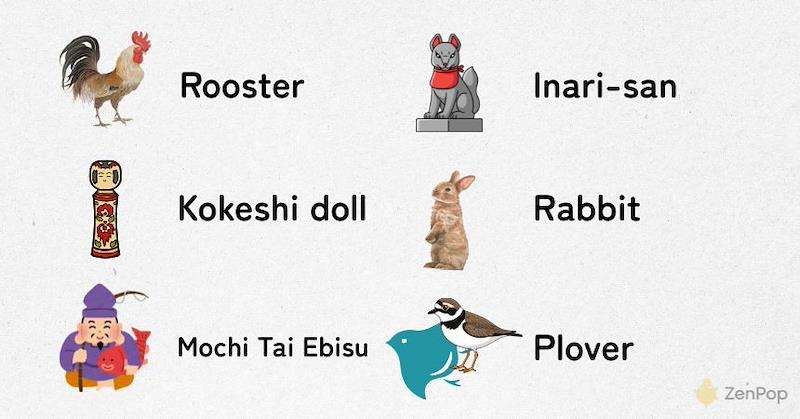
The Rooster 庭鳥
The call of a rooster calls the dawn, and in Japanese ancient myth, it was the rooster that awoke Amaterasu, the sun goddess from her slumber. In the zodiac, the rooster represents diligence and honesty, and their cry is said to ward off unwanted spirits.
Oinari-san お稲荷さん
As the name suggests, Oinari-sama is a deity associated with rice. Rice itself means ‘the root of life,’ and since rice bears fruit (inaru), the deity came to be called Oinari-sama. This god has long been revered for granting blessings of abundant rice harvests, and today is also widely worshipped as a deity of prosperous business.
Kokeshi dolls 小芥子
A traditional children's toy from the Tohoku region,that over time became a popular decoration and a symbol of familial health, protection from spirits and good fortune. These dolls are also popular sources of inspiration for a variety of designs with their wabi-sabi beautiful yet simple designs, and are said to be a main source of inspiration for Nintendo’s Mii characters.
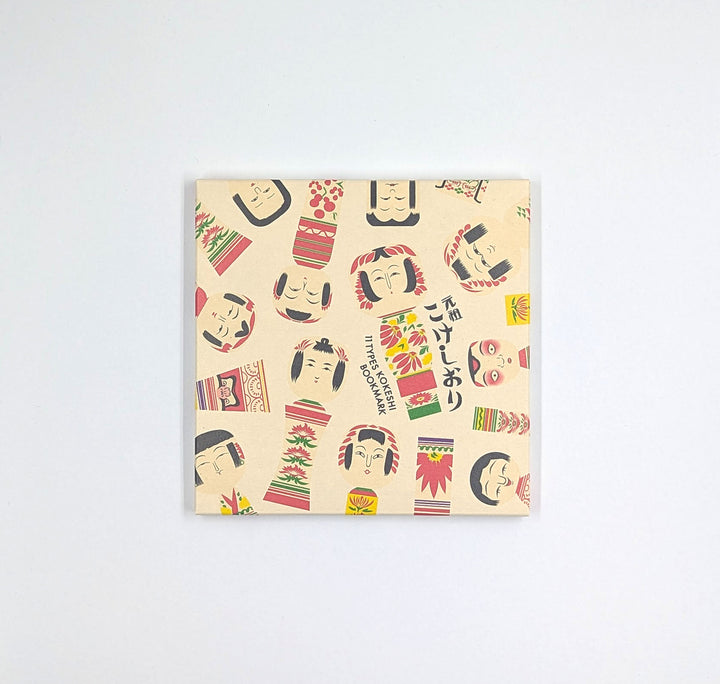

COCHAE Kokeshi inspired stationery items
The Rabbit うさぎ
The rabbit’s characteristic hopping motion is interpreted as a symbol of auspicious signs such as progress and success, and is believed to leap away difficulties and misfortune. Because rabbits give birth many times in a year, they are regarded as important symbols of prosperity of descendants, abundant harvests, and vitality.


Rabbit stationery items
Tai-mochi Ebisu 鯛持ちえびす
Ebisu, depicted holding a large sea bream, is an auspicious figure that brings good fortune. He is often shown with a fishing rod catching a sea bream, which itself symbolizes longevity and happiness. Together, Ebisu and the sea bream represent prosperous business, abundant harvests, bountiful catches, and safety for the household.
Plover 千鳥
luck, success, perseverance, longevity, and marital bliss. Chidori flying among the waves represents human ability to overcome challenges.
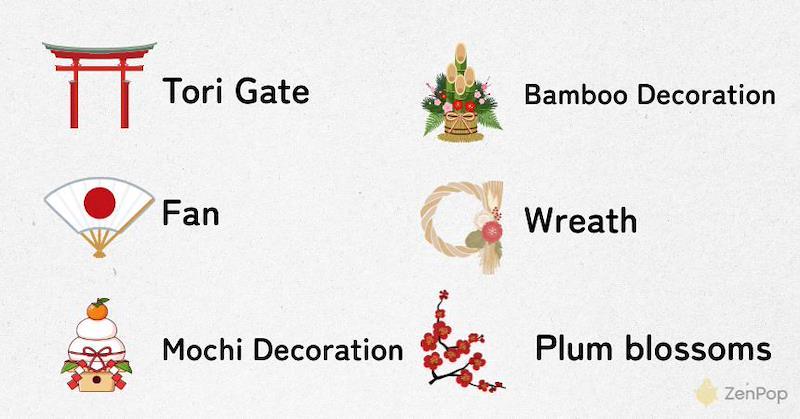
Tori Gate 鳥居
The torii gates represent the border between the regular world and the realm of the divine. It also serves as a form of purification, preparing you to enter with a clear mind. Small torii may look like decor, but actually serve the same function as the large ones. In motifs, they are symbolic of divinity and transitions.
Kadomatsu 門松
A decoration placed outside of homes and businesses as temporary housing for the gods of the new year. The central piece is three bamboo trunks, with various other decor surrounding them, commonly pine, plum branches, cabbage among others. These represent longevity, steadfastness and prosperity.
Uchiwa Fan 団扇
This popular souvenir has a long history as an instrument to ward off evil, with its sweeping motions, and has been used in kagura dances since ancient times. As it also happens to be great at relieving you on hot summer days, its double use as fan and talisman cemented its popularity. Symbolically it represents good fortune and health, with its unfolding motion representing the rising sun, and the leaf-like shape vitality.
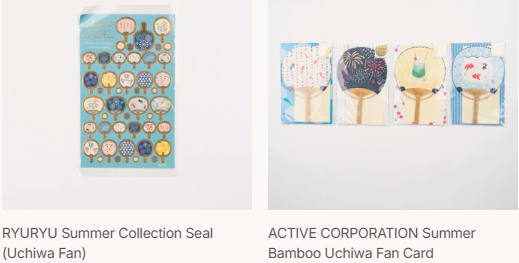
Uchiwa fan stationery items
Shimekazari しめ飾り
This rope made from hemp or rice can be seen all year round adorning shrine entrances, encircling sacred rocks, trees or other areas that have been ritualistically purified. For new years, people hang these over their doors to ward off evil spirits after cleaning for the new year as the house is pure and ready to invite the gods of the new year. They represent purity and bountifulness.
Kagami Mochi 鏡餅
Literally means mirror rice cake. The name comes from how the two large mochi are presented similarly to how sacred mirrors in shrines of old, said to house the gods, are presented. This both serves as an offering to the god of the new year, as well as a symbol of growth, and balance of yin-yang and the sun and moon.
Plum blossoms 梅の花
One of the earliest blooming flowers of the year, beloved for their colorful petals contrasting the dark and crooked trunks they sprout from. They represent perseverance, hope and the arrival of spring, and are commonly seen as part of Kadomatsu decorations.

HAIBARA Hexagon Pen Case
Auspicious Stationery 縁起文房具
ZenPop's January 2026 theme is "Lucky New Year". We procured a special auspicious collection of stationery for our subscription box , as well as additional items available in our store. If you're looking to start the year with intention and fortune, this is the collection for you!
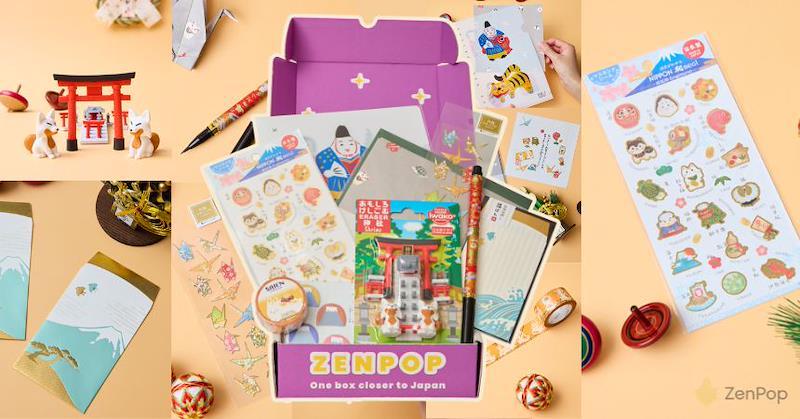
Get the Auspicious Stationery Set Now
We’ve also put together a stationery collection inspired by traditional Japanese patterns and cultural motifs. You’re welcome to take a look in our store.