How to Make a Bullet Journal | Beginner-Friendly Step-by-Step Guide
Starting a bullet journal often begins with good intentions and a blank notebook. Then comes the hesitation.
What should you write? How detailed should it be? Does it need to look good?
The truth is, a bullet journal doesn’t need to be perfect or decorative to work. It only needs to support how you think, plan, and return to your pages.
This guide walks you through how to make a bullet journal from scratch, step by step, with a focus on simplicity, flexibility, and finding a rhythm you can actually keep.
What Is a Bullet Journal?
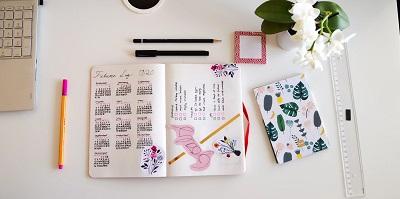
A bullet journal is a flexible system for planning and reflection, created inside a blank notebook. Instead of following pre-printed layouts, you design pages based on what you need, and adjust them over time.
At its core, the bullet journal method helps you:
- track tasks, events, and notes
- plan short- and long-term goals
- reflect and adapt as your needs change
It’s not just a notebook. It’s a system you build gradually.
What You Need to Start (Keep It Simple)
You don’t need a long list of supplies to begin a bullet journal. Starting with just a few basics makes it easier to focus on the system itself, rather than the setup.

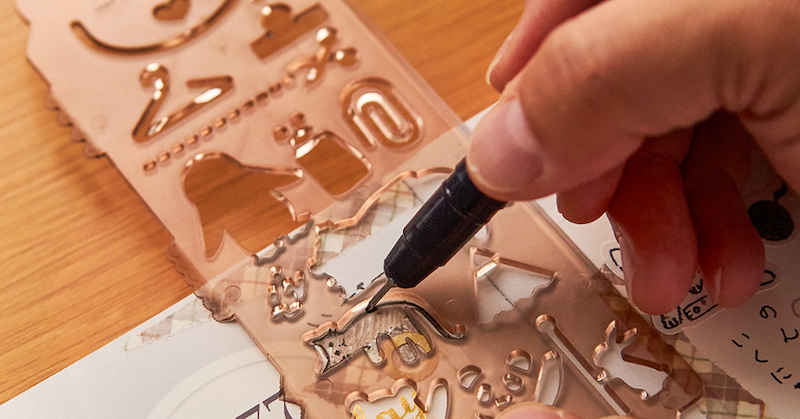
A notebook and one reliable pen are enough to get started. From there, you can slowly add tools that genuinely support how you plan, track, or reflect.
If you’d like a clearer overview of optional tools, we’ve put together a gentle guide to Essential Journaling Supplies: Pens, Accessories & Tools, covering what’s useful, what’s optional, and what you can comfortably skip as a beginner.
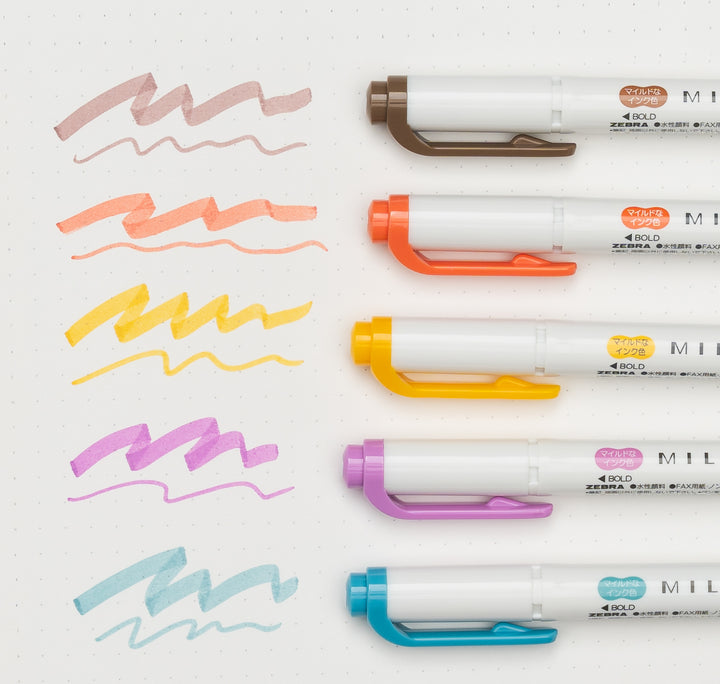
Some people also enjoy adding light color to their pages for structure or emphasis. If that sounds like you, our Zebra Mildliners Guide: The Best Highlighters for Journaling explores how soft, muted highlighters can be used for headings, trackers, or simple visual cues without overwhelming your layout.
Remember, your bullet journal doesn’t need to be fully equipped on day one. It can grow gradually, shaped by what you actually enjoy using.
How to Make a Bullet Journal: Step by Step
1. Number Your Pages
Number the pages of your notebook. This allows your journal to stay organized even as it grows.
2. Create an Index
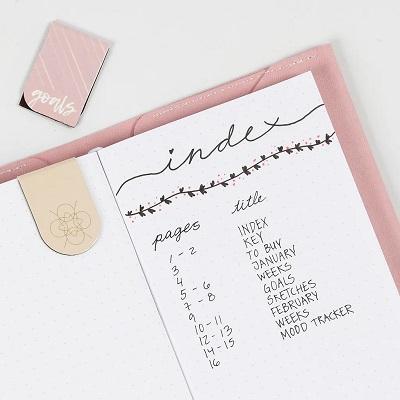
Reserve the first one or two pages as an index. As you add sections, note their titles and page numbers here so you can easily find them later.
3. Set Up a Simple Key
A key is a set of symbols that helps you scan information quickly. For example:
- ● task
- ○ event
- – note
You can add more symbols later, but start small.
4. Add a Future Log
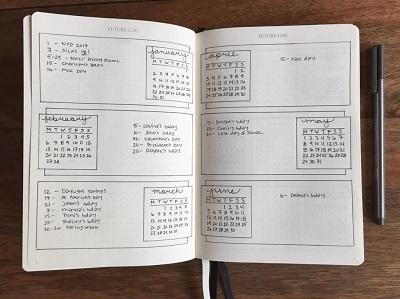
The future log is a place to note important events or goals over the coming months. Divide a few pages into monthly sections and add key dates, deadlines, or reminders.
5. Create Your Monthly Log
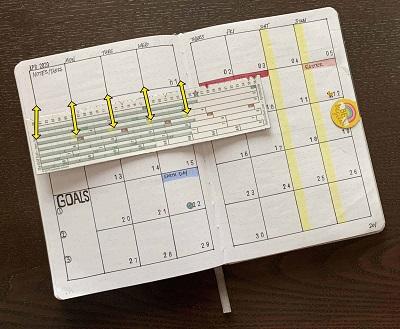
Your monthly log usually includes:
- a simple list of dates
- a task list for the month
This page helps you see the bigger picture without getting overwhelmed.
6. Choose One Planning Layer
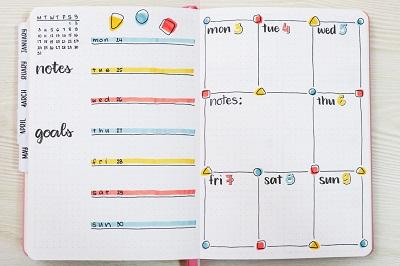
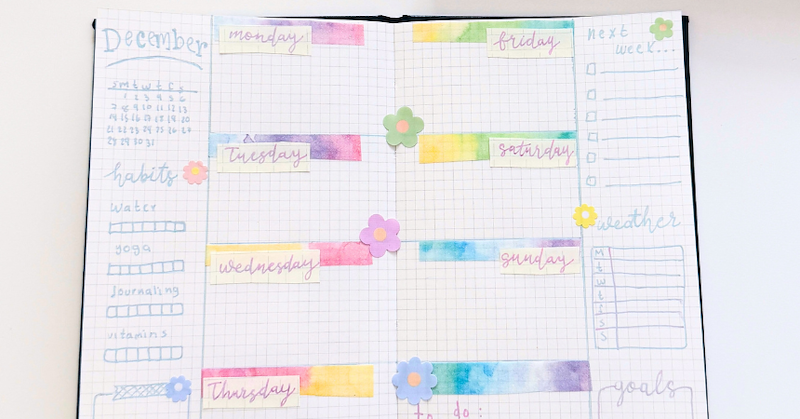
Many beginners try to use monthly, weekly, and daily logs all at once, which often leads to burnout.
Choose one:
- Monthly + weekly, or
- Monthly + daily
You can always change later as you learn what works best for you.
7. Add Trackers Only If You’ll Use Them
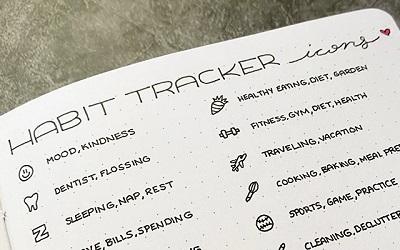
Habit trackers can be helpful, but only if they reflect habits you already practice or truly want to build. Avoid creating pages you feel pressured to maintain.
8. Create Collections
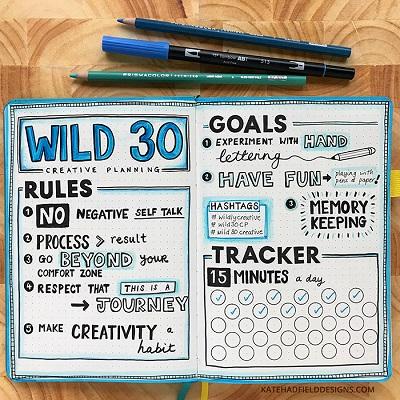
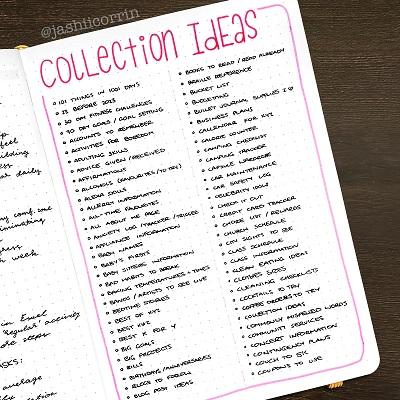
Collections are pages dedicated to specific topics, such as:
- books or films
- projects
- travel plans
- reflections
They help keep related thoughts in one place.
How to Keep Your Bullet Journal Going
Starting is one thing. Continuing is another. These gentle tips help your bullet journal stay useful over time.
-
Keep layouts simple
Clean, straightforward pages are easier to maintain than complex designs. -
Prepare pages lightly in advance
When you feel motivated, sketch basic frameworks for upcoming pages. You can decorate later if you want. -
Let your journal evolve
If a layout doesn’t work, change it. Flexibility is part of the method. -
Create a small ritual
A few minutes each morning or a short weekly check-in can help journaling become a habit. -
Leave space for notes
Life is unpredictable. Extra space gives you room to adapt without stress. -
Accept mistakes
Crossed-out pages and imperfect spreads are signs that your journal is being used.
A Japanese-Inspired Approach to Bullet Journaling
While the bullet journal method was created outside Japan, many people enjoy blending it with Japanese stationery and aesthetics.
A Japanese-inspired bullet journal often focuses on:
- calm, uncluttered layouts
- seasonal touches
- soft colors and small decorative details
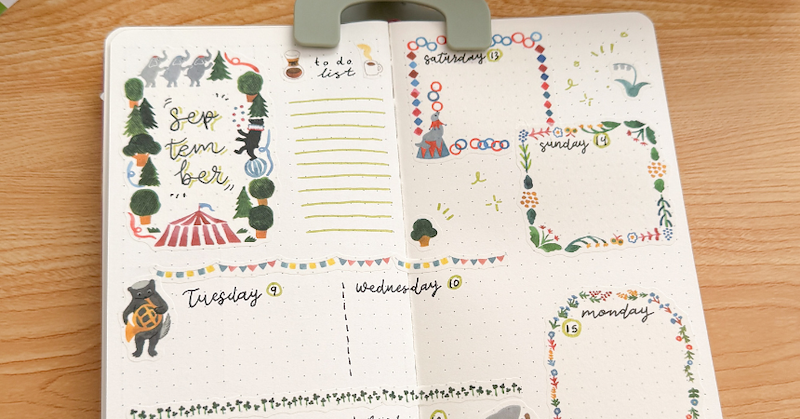
Washi tape, stickers, and gentle illustrations can add warmth without overwhelming the page. The goal isn’t decoration for its own sake, but creating a journal that feels inviting to return to.
A Note on Hobonichi: A Popular Japanese Planner Choice
If you explore Japanese journaling communities, you’ll often come across Hobonichi.
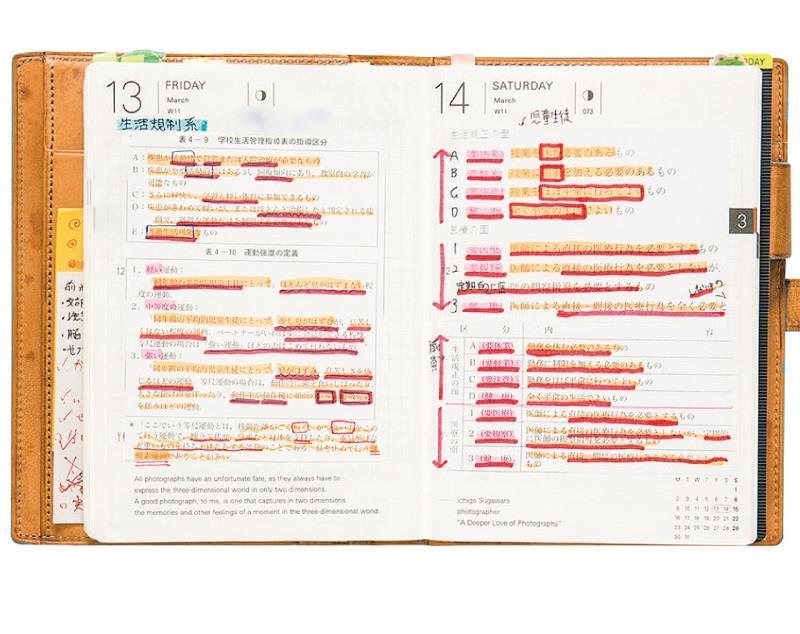
Hobonichi is a Japanese stationery brand best known for the Hobonichi Techo, a dated planner designed to be used creatively. Unlike a bullet journal, which starts as a blank system, a Hobonichi provides a daily or weekly structure that you then personalize with writing, drawings, and decorations.
Many people are drawn to Hobonichi for its smooth paper, thoughtful layouts, and the way it blends planning with personal reflection. Because of this, it’s often mentioned alongside bullet journals, especially by those who enjoy journaling as both an organizational and creative practice.
This overlap is why the two are often compared.
Bullet Journal vs. Hobonichi: What’s the Difference?
- A bullet journal is a blank system you build from scratch.
- A Hobonichi is a dated planner designed to be customized.
Both value personalization and creativity. The difference lies in structure:
- Choose a bullet journal if you want full flexibility.
- Choose a Hobonichi if you prefer pre-dated pages with room for creativity.
- Many people mix both approaches depending on their needs.
What matters most is choosing a format that fits your daily rhythm.
A Gentle Way to Begin
Your first bullet journal doesn’t need to be beautiful or complete. Start with an index, a monthly page, and one planning layer. Let the rest grow naturally.
If you’re looking for notebooks or stationery that make journaling feel easier and more enjoyable, we’ve gathered a small selection of Japanese favorites in our shop — chosen to support simple, flexible journaling routines.