The Complete Guide to Pen Refills: Types, Sizes & How to Choose the Right One
A good pen has a way of becoming personal. Maybe it fits your hand perfectly, maybe you love how the ink flows, or maybe it’s simply been with you for years. When that pen finally runs out of ink, throwing it away often feels wrong.
That’s where pen refills come in.
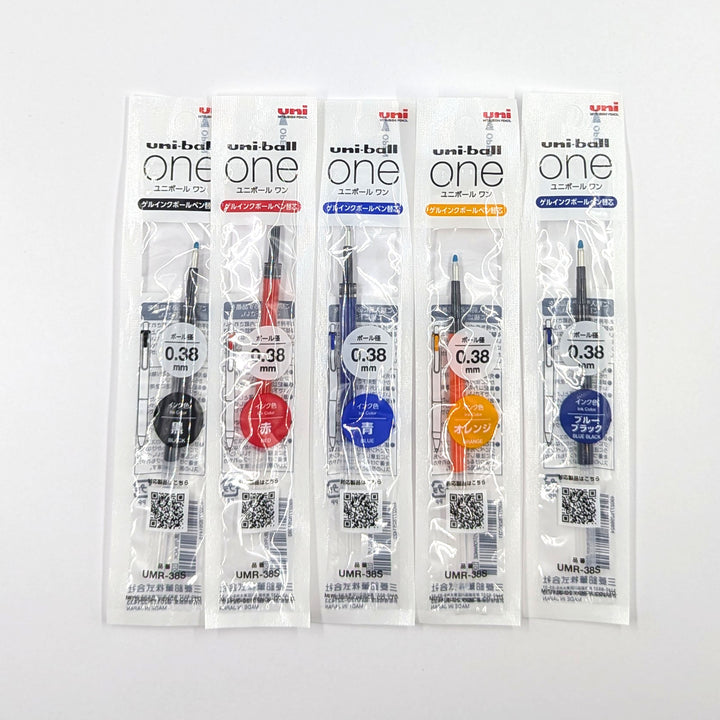
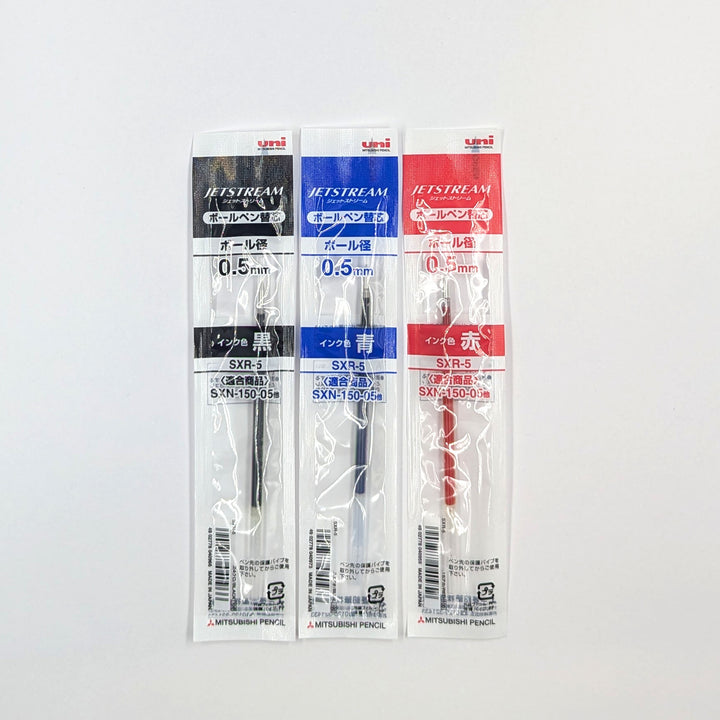
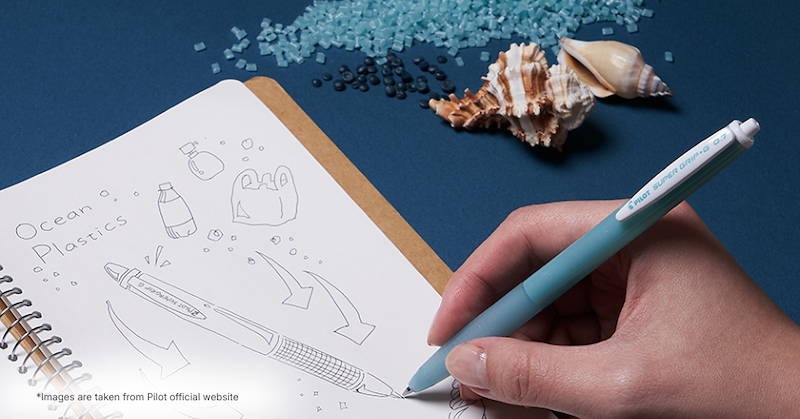
Pen refills allow you to keep using a pen you already love, reduce waste, and fine-tune your writing experience. Today, refills are no longer just replacements. They are part of how modern pens are designed, especially in Japan, where refill systems are treated as long-term tools rather than disposable parts.
This guide breaks down what pen refills are, how to choose the right one, the major refill standards, and how refills have evolved, so you can shop with confidence and keep your favorite pens going.
What Is a Pen Refill?
A pen refill is the internal ink unit that fits inside a pen body. It usually includes:
- an ink reservoir (plastic or metal)
- a writing tip (ballpoint, gel, rollerball, etc.)
- sometimes a spring stop or end cap depending on the mechanism
When the ink runs out, the refill is removed and replaced, while the pen body stays the same.
Refillable pens are now standard for:
- Japanese gel pens
- rollerball pens
- ballpoint pens
- multi-pens
- premium and everyday fountain pens
Why Pen Refills Matter More Than Ever
1. Sustainability
Replacing ink instead of the entire pen reduces plastic waste and manufacturing impact. Many Japanese stationery brands design pens with refills as the default, not the exception.
2. Cost Efficiency
A refill is almost always cheaper than buying a new pen, especially for higher-quality models.
3. Custom Writing Experience
Refills let you adjust:
- tip size
- ink color
- ink type (oil, gel, hybrid)
- writing smoothness and feedback
Two people can use the same pen body and have completely different writing experiences simply by changing the refill.
How to Choose the Right Pen Refill
Choosing a refill is less about guessing and more about checking a few key details.
1. Compatibility Comes First
Always confirm that the refill is designed for your pen model or refill standard. Even a few millimeters of difference can prevent the pen from working properly.
Best places to check:
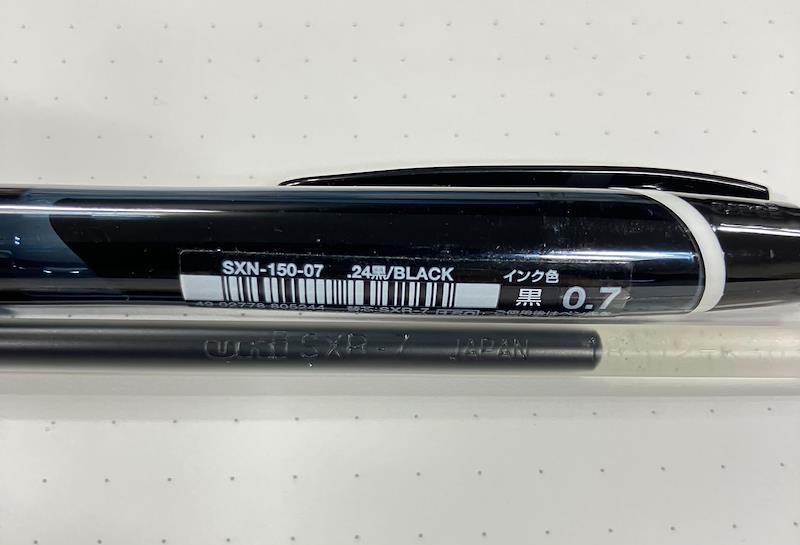
- the pen barrel (model name is often printed)
- the original refill itself
- the manufacturer’s website
- trusted stationery reviews
2. Tip Size and Writing Feel
Tip size affects both line width and ink flow.
- Extra-fine and fine tips are ideal for small handwriting and planners
- Medium tips feel smoother and more forgiving
- Broad tips emphasize ink color and flow
Japanese refills often run slightly finer than Western equivalents, so it’s worth checking measurements rather than relying only on labels.
3. Ink Type
Ink affects drying time, smoothness, and paper compatibility.
- Oil-based ink: long-lasting, quick-drying, less vibrant
- Gel ink: smooth, bold, expressive, popular in Japan
- Hybrid ink: combines oil and gel qualities
- Water-based ink: smooth but slower to dry
How to Identify the Correct Refill
Check the Pen Model
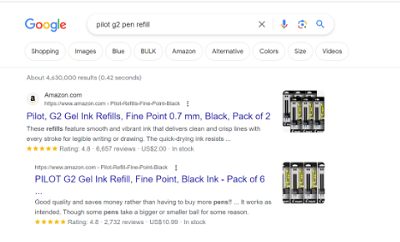
Most modern pens clearly state the model name. Searching that model plus “refill” usually leads to reliable results.
For Japanese brands, manufacturers often list compatible refills clearly, which makes things easier than mixing third-party options.
Check the Refill Code
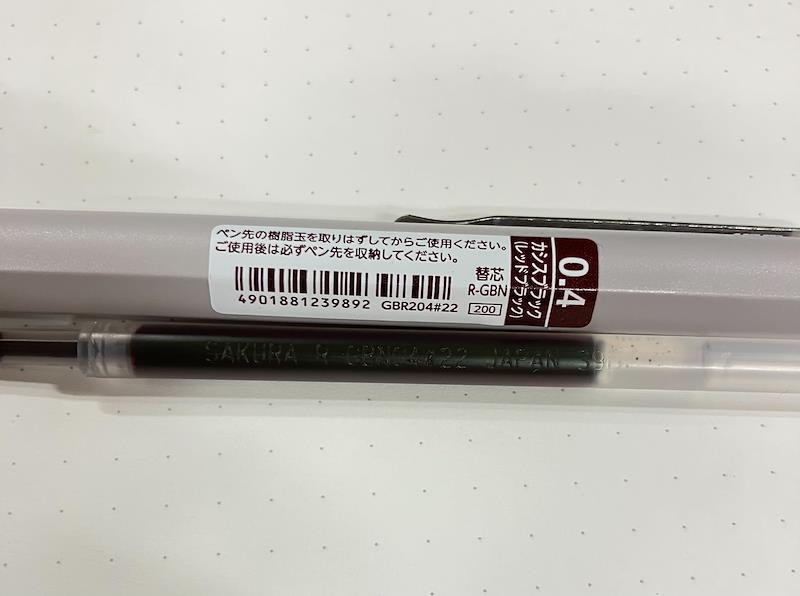
If the pen model isn’t obvious, remove the refill and look for:
- printed codes
- brand markings
- length and diameter
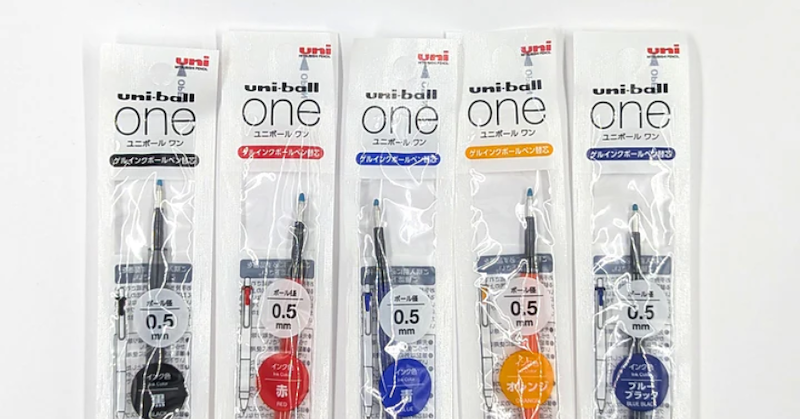
- the word of 替芯 (means refill in Japanese)
Comparing photos online is surprisingly effective.
Universal Refills (Use with Caution)
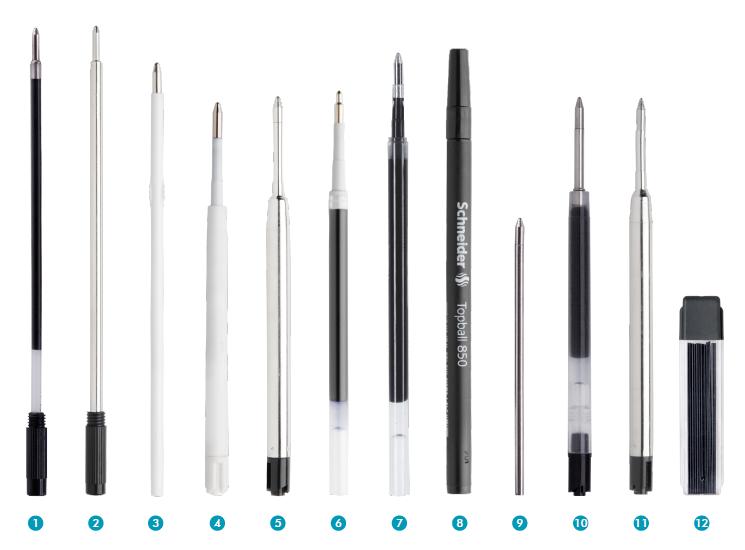
Some refills are labeled “universal,” but this often means mechanically similar, not guaranteed fit. Small differences in length, tip shape, or spring placement can affect performance.
Universal refills are best treated as a last option, not the first.
Major Types of Pen Refills Explained
Ballpoint Refills
Ballpoint refills use oil-based ink and are designed for reliability.
Best for:
- everyday writing
- long writing sessions
- situations where smudging must be avoided
They last a long time and work well on most paper, but feel less smooth than gel or rollerball refills.
Major Types of Pen Refills Explained
Ballpoint Refills
Ballpoint refills use oil-based ink and are designed for reliability.
Best for:
- everyday writing
- long writing sessions
- situations where smudging must be avoided
They last a long time and work well on most paper, but feel less smooth than gel or rollerball refills.
D1 Refills
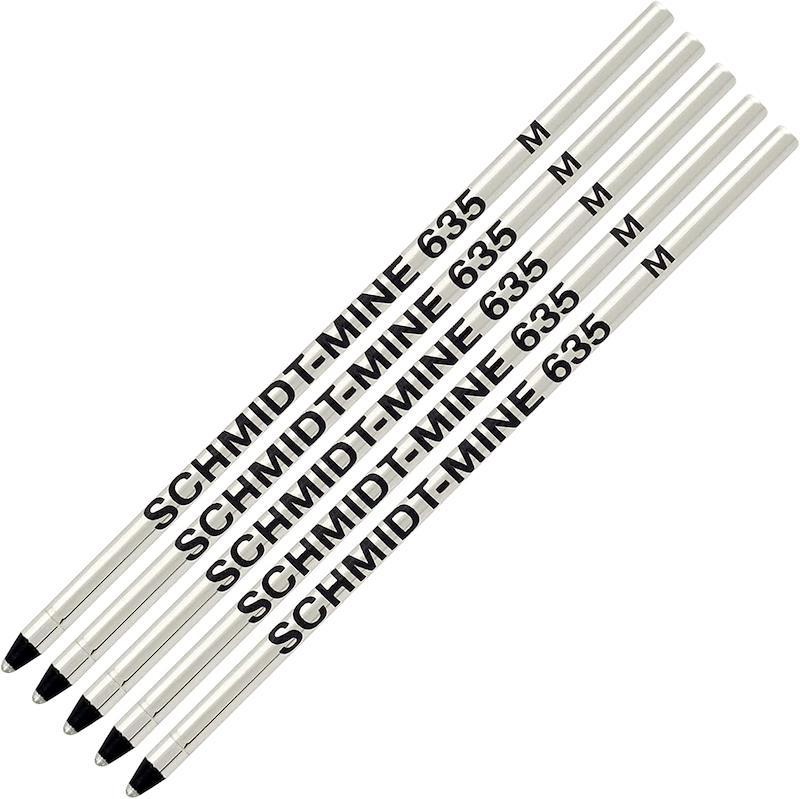
D1 refills are slim metal refills commonly used in:
- multi-pens
- compact pens
- luxury twist pens
Key facts:
- approx. 67 mm long
- very small ink capacity
- usually ballpoint ink
Gel versions exist, but due to the small size, they tend to run out quickly.
Parker-Style (G2) Refills
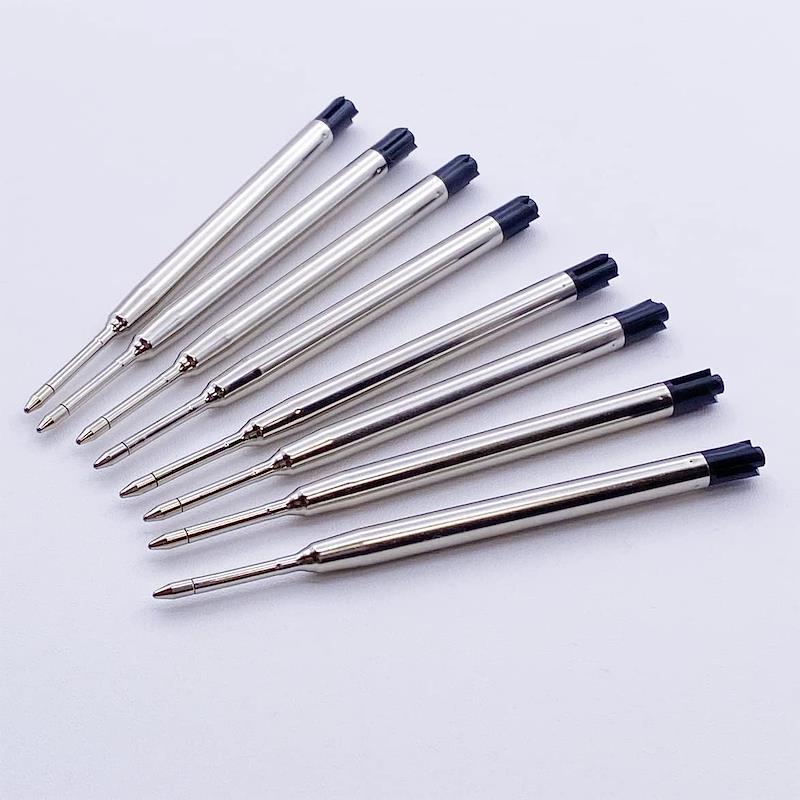
Often called “Parker G2,” these are not the same as Pilot G2 refills.
Features:
- thicker, longer barrel
- long writing life
- widely compatible across brands
Many Japanese and European brands make Parker-style refills, making this one of the safest standards to experiment with.
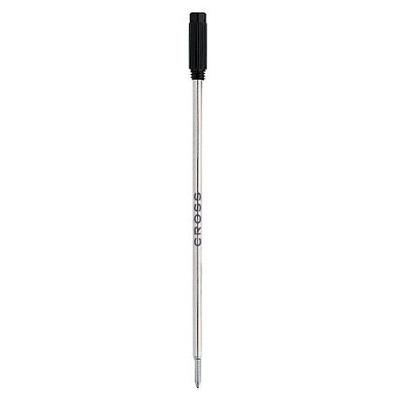
Cross-Style Refills
Used mainly in twist-mechanism pens.
They have a distinct rear shape to interact with the twist system, which means:
- not interchangeable with other refill types
- best replaced with brand-specific or officially compatible options
Rollerball Refills (Euro-Style)
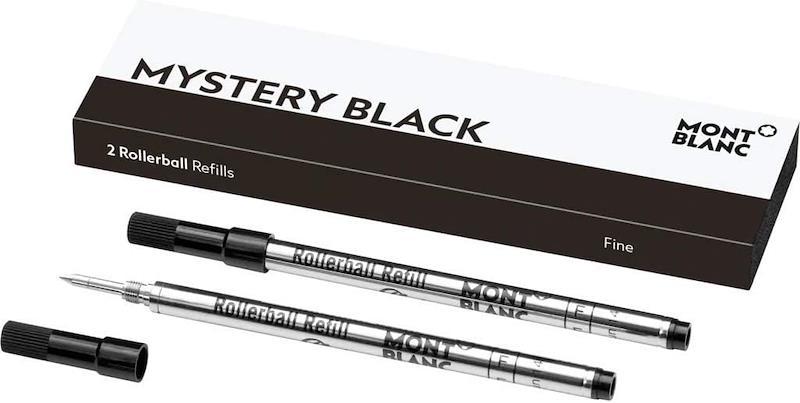
Rollerball refills use water-based or gel-like ink.
Characteristics:
- smooth, expressive writing
- richer ink color
- slightly higher chance of smudging
They are popular among writers who enjoy fountain-pen-like flow without maintenance.
Fountain Pen Cartridges and Converters (Quick Note)

Fountain pens technically use refills too, but they fall into a separate system:
- cartridges (brand-specific or international standard)
- converters (reusable ink reservoirs)
Compatibility is even more important here, as sizes and openings vary by brand.
Maintaining Your Pen and Refill
- Store pens horizontally to prevent uneven ink flow
- Avoid extreme heat, which can cause leaks
- If a refill skips, try gentle scribbling before replacing it
- Don’t mix refill types not designed for the pen
A refill can fail early not because it’s low quality, but because it’s mismatched.
Why Japanese Pens and Refills Stand Out
Japanese pen makers design pens and refills together as systems. Instead of treating refills as afterthoughts, they focus on:
- precise tolerances
- consistent ink flow
- long-term usability
This is why many Japanese pens feel “right” even after years of use. The refill ecosystem is intentional.
Explore Pens and Refills with ZenPop
If you’re curious to try Japanese pens designed with refills in mind, ZenPop offers two easy ways to explore.
Our online store features carefully selected Japanese pens, refills, and writing tools chosen for quality and everyday usability.
If you enjoy discovering new favorites, the ZenPop Stationery Subscription Box delivers a themed mix of Japanese stationery each month, often including refillable pens you can continue using long after the box arrives.
A good pen doesn’t end when the ink runs out. With the right refill, it’s just getting started.