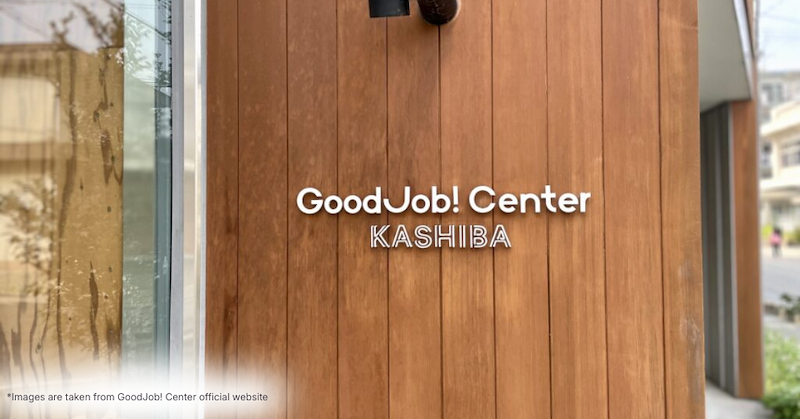
Good Job! Center Japan: Redesigning Work Through Art & Inclusion
In March, we turn our attention to a different kind of creative force — one that goes beyond stationery, beyond products, and into the very structure of how society works.
Good Job! Center is not simply a design initiative. It is a long-running movement that rethinks what work can look like, who gets to participate, and how creativity can reshape opportunity itself.
Rooted in Nara and evolving since 1973, Good Job! has grown into a cross-disciplinary platform that connects art, design, welfare, and business — all with one guiding belief:
A society where everyone can experience the joy of working and live with autonomy.
From 1973 to Today: A Movement Built on Expression
source: GoodJob! Center
The story begins in 1973 with the founding of Nara Tanpopo no Kai, an organization dedicated to creating spaces where people with disabilities could live meaningful lives through artistic and cultural expression.
Over the decades, this movement evolved:
- 1976: Establishment of Tanpopo-No-Ye Foundation
- 1995: Launch of the “Able Art Movement”
- 1997: First major public museum exhibition in Japan introducing artwork by people with disabilities
- 2007: Founding of Able Art Company
- 2012: Launch of the Good Job! Project
- 2016: Good Job! Project receives the Gold Award at Japan’s prestigious Good Design Award
- 2017: Good Job! Center Kashiba wins the Nara Prefecture Governor’s Award for architectural design
What began as a cultural initiative gradually became something more ambitious: a redefinition of work itself.
The Challenge They Address
source: GoodJob! Center
In Japan, people with disabilities often face:
- Limited employment options
- Significantly lower income levels
- Systems that frame them primarily as service recipients
Good Job! Center questions this structure.
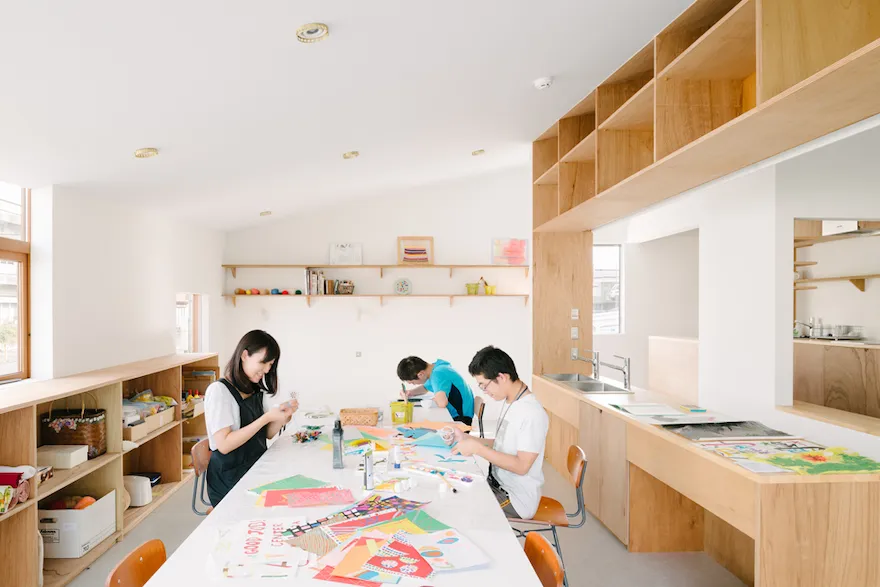
Instead of redistributing income alone, they aim to redistribute opportunity. Rather than positioning people with disabilities as passive beneficiaries, they build systems where individuals can actively contribute, create, and lead.
Three Core Directions
Good Job! Center operates through three powerful frameworks:
1. Creating New Work Through Art × Design
They connect designers, companies, government bodies, and local makers with artists who have disabilities. Together, they develop new products, systems, and work models from concept to execution.
Examples include:
- Collaborations like Tabio × Able Art Company
- Product lines that blend digital techniques with handcrafted skills
This is not charity-based design. It is collaborative creation — where artistic individuality becomes a central asset.
2. Building Cross-Field Platforms
Good Job! acts as a hub that connects:
- Businesses
- NPOs
- Welfare institutions
- Educational organizations
- Government entities
By creating space for dialogue across disciplines, they foster new conversations that would not normally happen. Art becomes a bridge between sectors.
Programs help spread their philosophy into broader society, such as:
- Good Job! Exhibition
- Good Job! Award
- Educational seminars and workshops
3. From Redistributing Income to Redistributing Possibility
source: GoodJob! Center
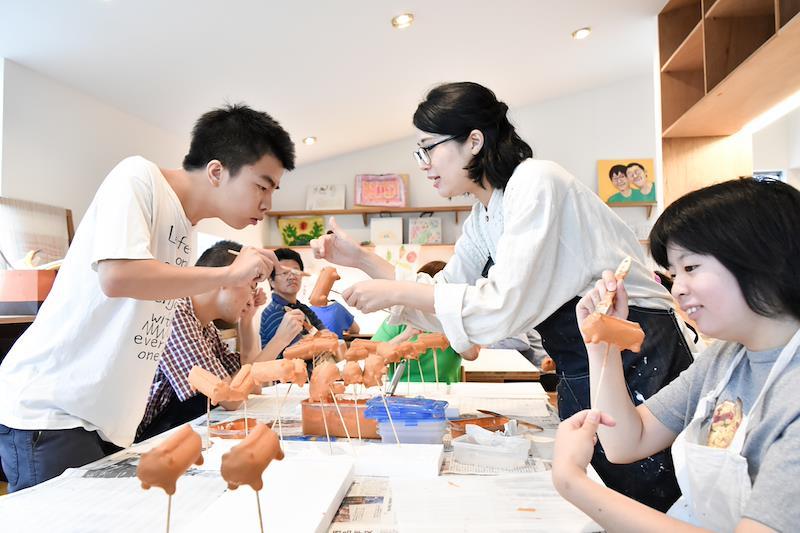
This shift in perspective may be their most radical contribution. Instead of viewing people with disabilities solely as recipients of social support, Good Job! Center develops systems where individuals can exercise their strengths and participate meaningfully in economic and creative life.
This reframing transforms the narrative:
Not “assistance,” but collaboration.
Not “support,” but partnership.
Programs & Activities
source: GoodJob! Center
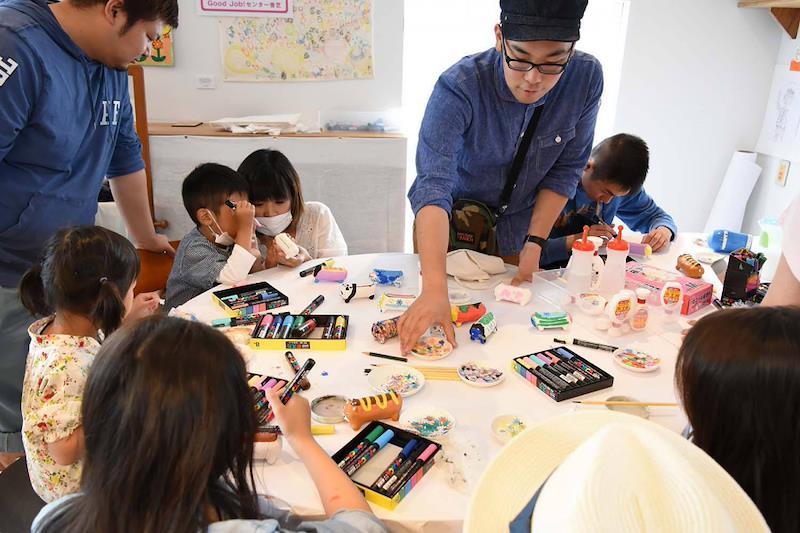
Good Job! Center’s work spans 3 main areas:
Work Creation & Product Development
They collaborate with designers, creators, companies, and regional producers to develop new work systems and products from scratch.
This includes:
- Hybrid products combining digital tools and handcraft
- Co-created design projects between professional designers and artists with disabilities
The focus is always on sustainable, dignified work models.
Awareness & Education
Through exhibitions like Good Job! Exhibition and initiatives such as the Good Job! Award, they amplify the message that inclusive design benefits society as a whole.
Seminars and training programs further explore how workplaces can become more inclusive and adaptive.
Welfare Innovation
Good Job! Center also operates welfare programs that align work with individual strengths and expression.
These include:
- Employment Continuation Support Type B programs
- Life care services
But even within welfare systems, the approach remains future-focused — integrating design thinking into social services.
Architecture as Philosophy
source: GoodJob! Center
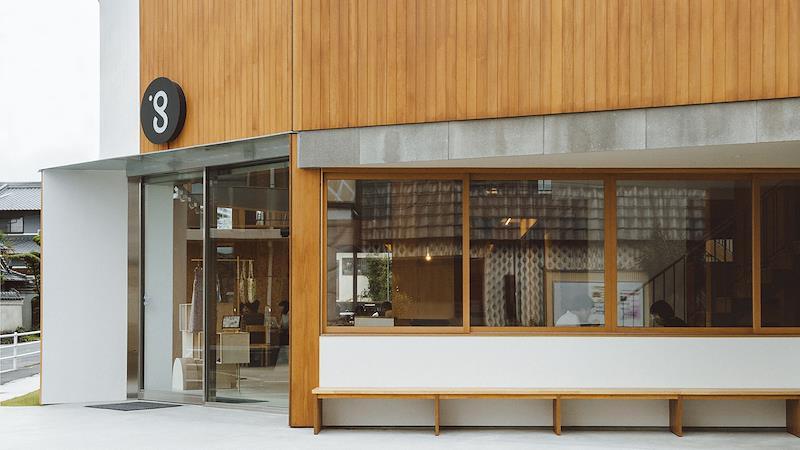
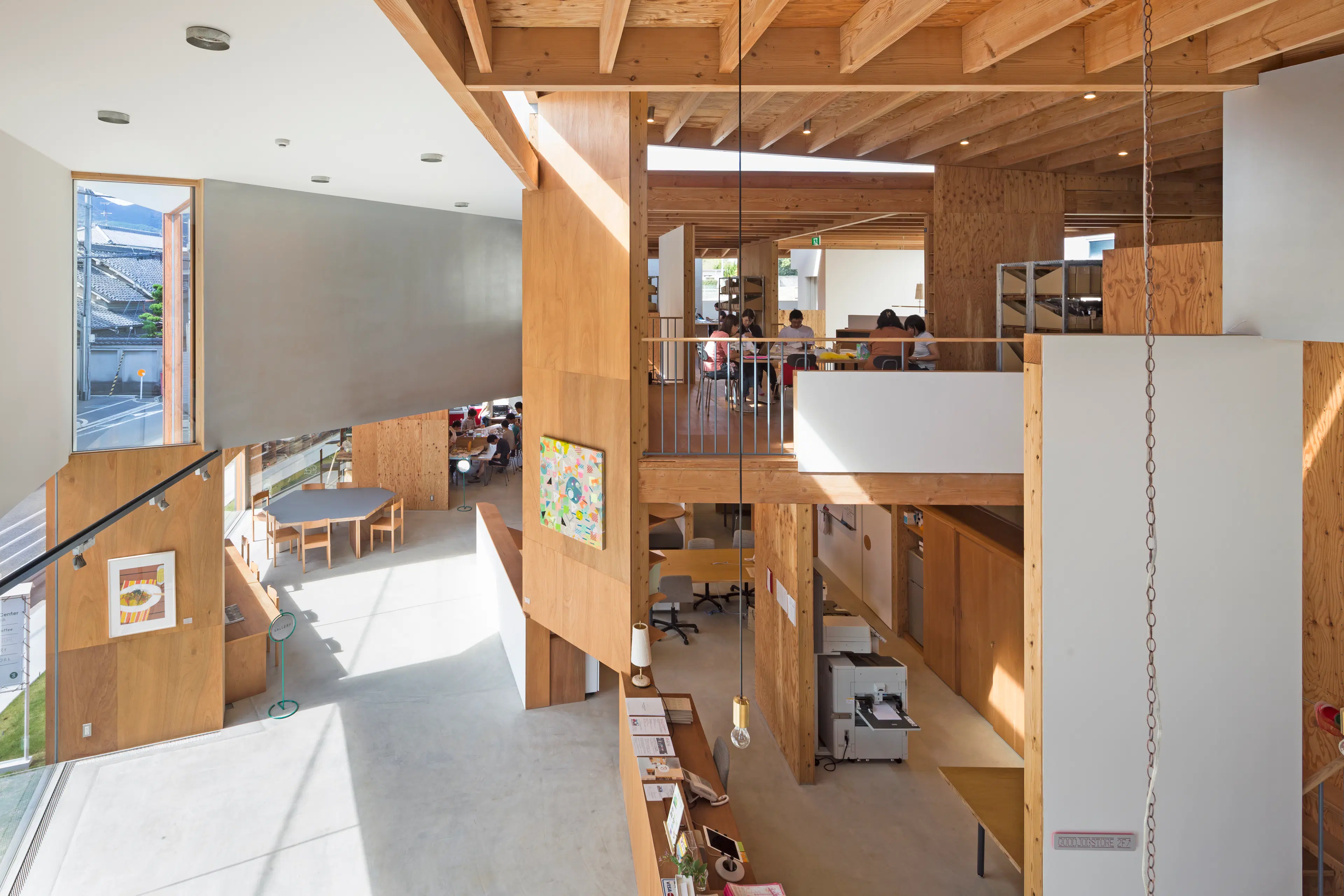
The physical Good Job! Center Kashiba building reflects their values.
Awarded the Nara Prefecture Governor’s Prize for architectural design, the space is open, transparent, and collaborative — symbolizing accessibility and dialogue rather than separation.
It is not just a facility.
It is a statement about inclusion.
Why Good Job! Matters in Design Culture
source: GoodJob! Center
At ZenPop, we often celebrate innovation in pens, paper, and tools. Good Job! reminds us that innovation can also live in systems — in how work is structured, how collaboration happens, and how creativity is valued. Their approach aligns deeply with Japanese design philosophy:
- Respect for individual expression
- Craft rooted in community
- Long-term thinking over short-term impact
In a world increasingly focused on efficiency and speed, Good Job! Center proposes something else:
A society where everyone can fully express their abilities. And where work itself can become an act of creativity.
A Different Kind of Spotlight
As we introduce Good Job! Center this March, we hope this story encourages a wider view of design — not only as aesthetic refinement, but as social architecture.
Because sometimes the most meaningful design work doesn’t shape a product. It shapes possibility.
A Notebook That Carries the Philosophy Forward
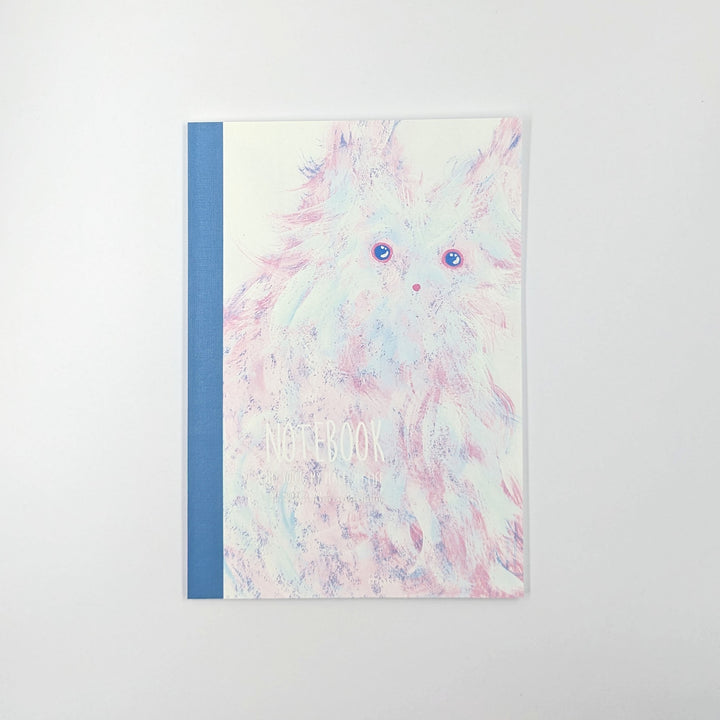
One of the ways this philosophy becomes tangible is through the GOOD JOB CENTER maru Notebook A5, now available in our store.
Created under the theme: “My Voice, My Place, My Life — everyone is different, and that’s what makes us whole.”
This original notebook from Workshop Maru (工房まる), a Fukuoka-based welfare workshop supporting members with disabilities in creative pursuits like painting and ceramics, features gentle artwork by member Yoko—including her signature cat illustration on the cover. It offers 40 blank pages as a calm, open space for your thoughts, sketches, or quiet reflections. The minimal layout lets the artwork and your own handwriting coexist softly, without distraction.
Like the Good Job! Center initiatives it connects to, the notebook carries deeper meaning beyond its pages. It embodies collaboration across art, design, and social innovation—turning individual voices into shared possibilities and fostering a more inclusive world.
If this story resonates with you, this notebook becomes more than stationery. It becomes a small, everyday way to support work that values individuality and shared potential.