kata kata: Japanese Textile & Stationery Inspired by Nature
Among Japanese design brands, there are some that speak quietly—but deeply. kata kata is one of them. Through traditional dyeing techniques and gentle storytelling, kata kata creates textile and paper products that invite imagination, reflection, and conversation.
Inspired by the natural world—animals, plants, seasons, and everyday life—kata kata’s designs feel warm and alive. Each piece carries a story, not loudly declared, but softly suggested through color, pattern, and texture. Their goal is simple yet meaningful: to spark imagination and connection through one-of-a-kind, handmade creations.
A Brand Rooted in Handcraft and Storytelling
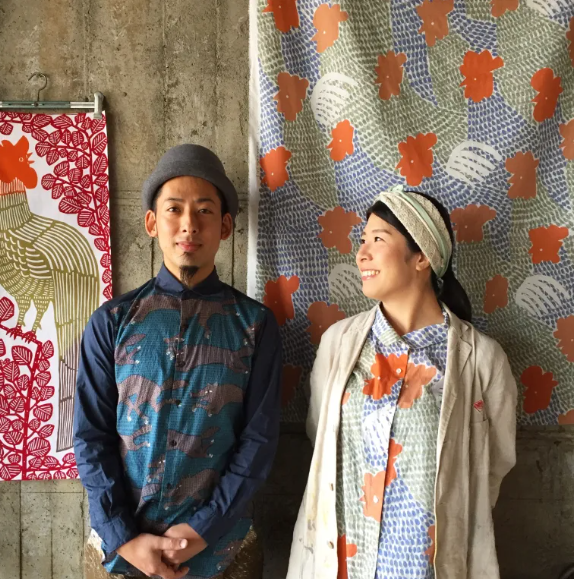
kata kata designs and produces original textile goods using two traditional Japanese dyeing techniques: Katazome (型染め) and Chusen (注染). Rather than pursuing perfect uniformity, they embrace the subtle variations that come from working by hand—small differences that give each item its own character.
Nature is their constant source of inspiration. Animals wander through forests, birds perch quietly, and seasonal landscapes unfold across fabric and paper. These motifs are not just decorative; they are small narratives, inviting the viewer to pause and imagine what lies beyond the pattern.
What Is Katazome (型染め)?
Katazome is a traditional Japanese stencil-dyeing method that dates back centuries. It is a process that requires patience, precision, and craftsmanship at every step.
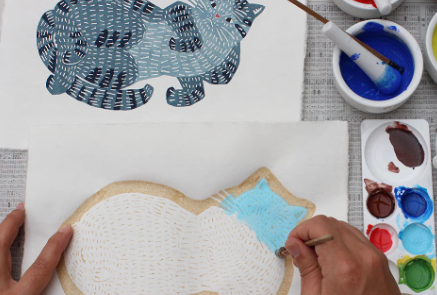
First, a stencil is carefully designed and cut. This stencil is then placed onto the fabric, and a resist paste is applied through the cut-out areas. Once the resist has been set, dye is applied, and the fabric is washed to reveal the pattern.
What makes katazome special is its delicacy. Lines can be incredibly fine, and designs often feel crisp yet organic. Because each stencil is handmade and the process is done by hand, no two pieces are ever exactly the same.
kata kata uses katazome to create designs that feel detailed, calm, and story-rich—perfect for paper goods and textiles where illustration plays a central role.
What Is Chusen (注染)?
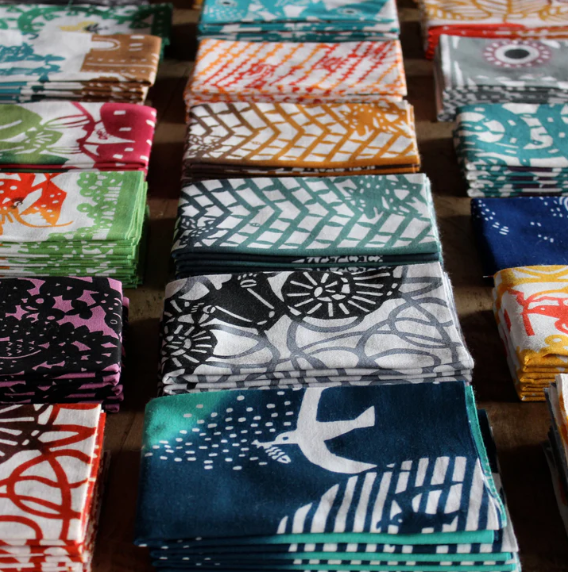
Chusen is another traditional Japanese dyeing technique, developed during the Meiji era (1868–1912). It is most famously associated with tenugui, the lightweight Japanese cotton cloth.
Unlike surface printing, chusen allows dye to penetrate the fabric completely, meaning the design appears clearly on both sides. The dye is poured by hand, layer by layer, allowing colors to blend naturally. This often results in soft blurs, gentle gradients, and subtle variations—qualities that cannot be replicated by machine printing.
These slight inconsistencies are part of the beauty. Each chusen-dyed piece carries the marks of the maker’s hand, making every item feel personal and alive.
kata kata embraces chusen for its expressive qualities, especially in textiles that are meant to be used, washed, and lived with.
Products That Carry Stories
kata kata’s designs extend across a wide range of items, each one shaped by the same philosophy: thoughtful craft, gentle illustration, and respect for materials.
Textile & Fabric Goods
- Chusen Tenugui: Lightweight cotton cloths dyed by hand, featuring animals and nature-inspired scenes.
- Handkerchiefs: Practical yet poetic, designed to be used daily.
- Print Fabric: Fabric by the meter for sewing, crafting, or interior use.
- Needlework Items: Pieces that invite hands-on making and creativity.
Paper & Stationery
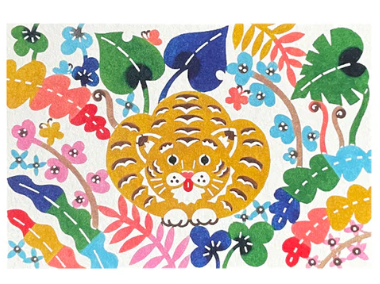
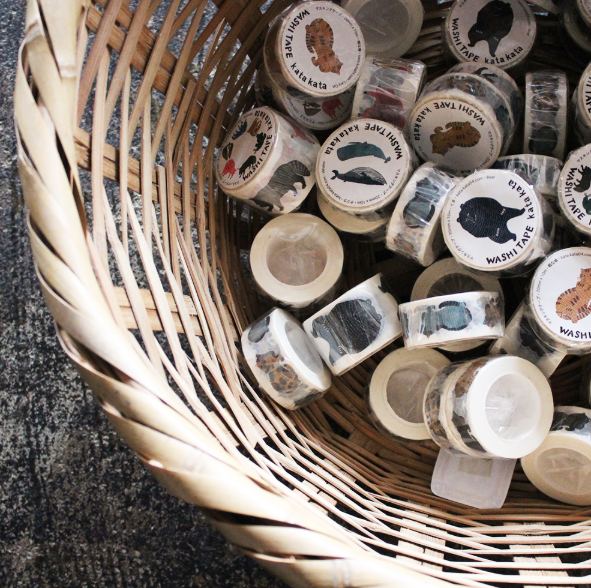
- Calendars: Illustrated with seasonal motifs that quietly mark the passage of time.
- Framed Washi Posters: Artworks printed on washi paper, suitable for display.
- Postcards & Greeting Cards: Small stories sent through the mail.
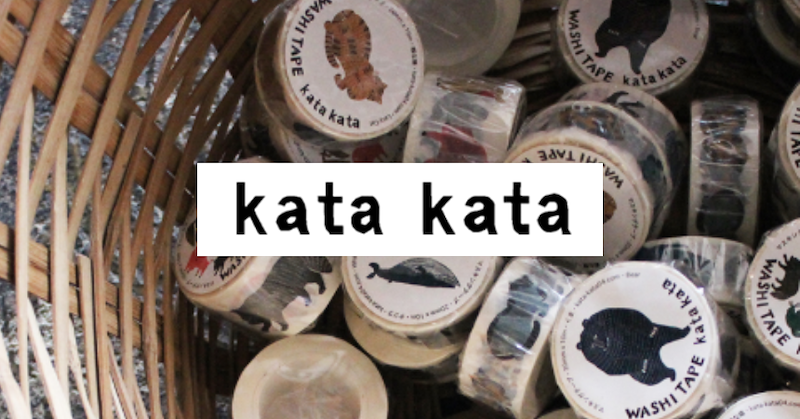
- Washi Tape & Mini Wrapping Paper: Everyday stationery infused with narrative charm.
- Pokke Note: Compact notebooks designed to travel with you.
- MUSUBI: Items that reflect the idea of connection and tying things together.
Other Lifestyle Items
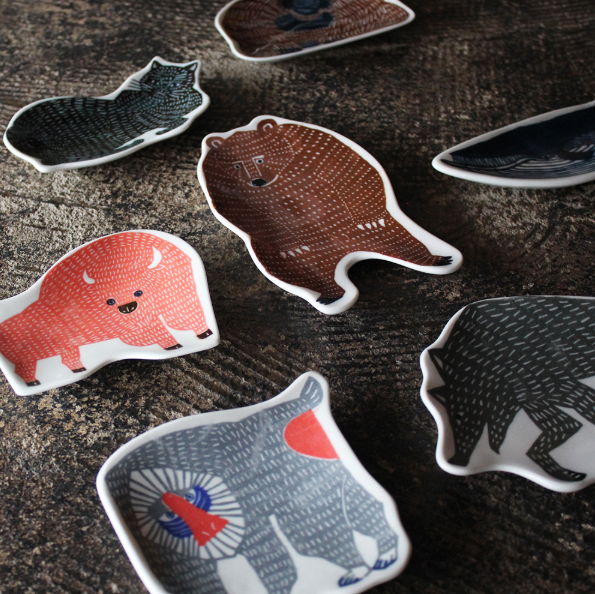
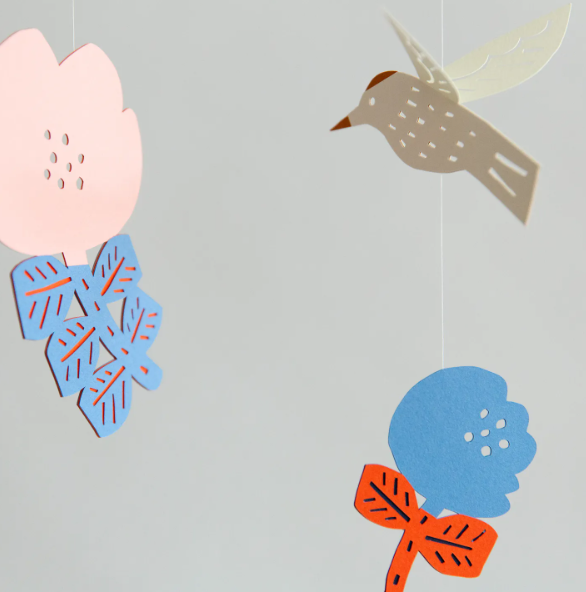
- Enamel Pins: Small wearable expressions of kata kata’s illustrated world.
- Porcelain: Tableware that brings gentle storytelling into everyday meals.
Across all categories, the designs remain consistent in spirit—quiet, warm, and deeply connected to nature.
Why kata kata Deserves Attention
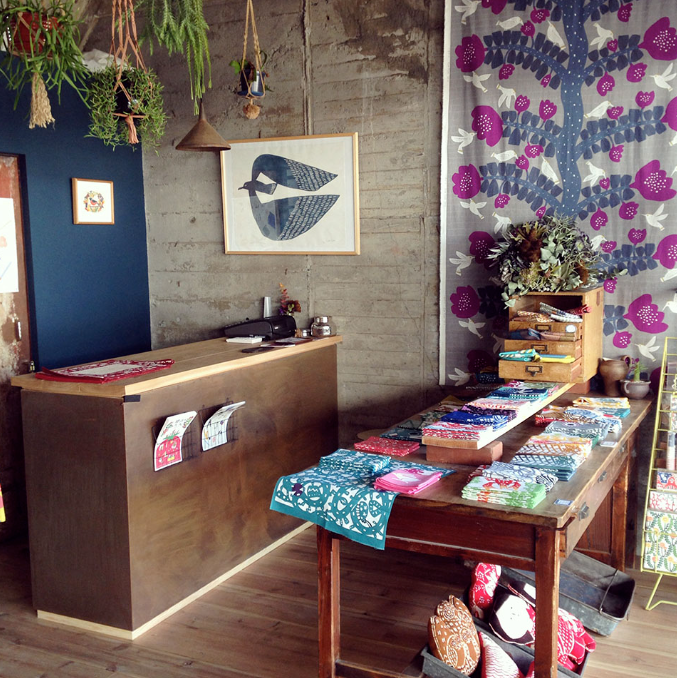
In a world of mass production, kata kata stands out by choosing time, craft, and storytelling. Their work reminds us that everyday objects—cloths, notes, calendars—can hold meaning beyond their function.
By using traditional techniques like katazome and chusen, kata kata keeps Japanese craft heritage alive while making it accessible to modern life. Their products are not meant to be kept untouched; they are meant to be used, washed, written on, and lived with—gaining character over time.
For stationery lovers, textile enthusiasts, and anyone drawn to nature-inspired design, kata kata offers a gentle entry point into Japanese craftsmanship that feels both timeless and contemporary.
Discover kata kata at ZenPop
We’re excited to feature kata kata and share their world of hand-dyed textiles and illustrated stationery. Whether it’s a tenugui dyed with soft, flowing color or a small paper item that tells a quiet story, each piece invites you to slow down and look a little closer.
kata kata’s creations are not just objects—they are conversations between nature, craft, and everyday life.
*all images are from kata kata official site